
Dupont's buckeye
Aesculus dupontii
Description
Growing requirements
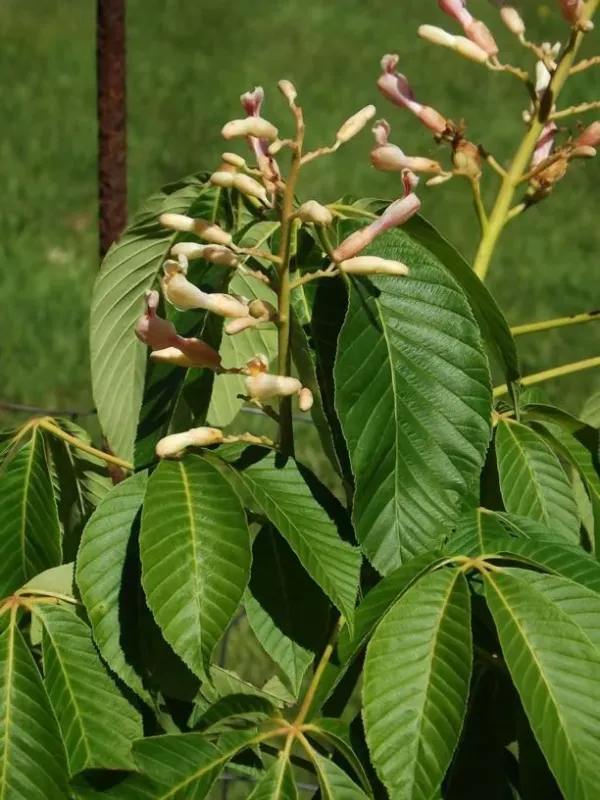
Dupont's buckeye (Aesculus dupontii) is a unique tree species belonging to the Sapindaceae family. Native to a very restricted region in Georgia, USA, this rare plant is considered a botanical treasure often sought after by enthusiasts and specialized arboretums.
The cultural requirements of this species focus heavily on soil quality and moisture management. It thrives in well-drained, nutrient-rich soils that possess high levels of organic matter. The tree requires a stable soil environment where moisture is consistent but never waterlogged.
In terms of climate, Aesculus dupontii favors temperate conditions with moderate seasonal changes. While it shows some adaptability, it prefers sites that offer protection from harsh winds and intense, scorching summer sun, which can cause leaf scorch.
Agricultural management includes precise irrigation during the establishment phase and during extended drought periods. A layer of organic mulch around the base of the trunk is highly recommended to regulate soil temperature and retain necessary ground moisture.
Regarding its utility, the Dupont's buckeye is valued strictly for its ornamental qualities in landscape design. Its elegant leaf structure and unique floral characteristics make it an excellent choice for specimen planting in curated garden environments.
Main diseases and pests
The primary threats to Aesculus dupontii health include various fungal pathogens. Leaf blotch and powdery mildew are common issues that appear when air circulation around the tree is insufficient, especially in humid and stagnant climates.
Insect pests, such as the horse chestnut leaf miner, pose a significant risk to the aesthetic value of the tree. These larvae mine within the leaves, causing premature browning and potentially reducing the tree's vigor over several growing seasons.
Scale insects and aphids may occasionally infest young twigs and foliage, draining plant nutrients. Integrated pest management strategies, focusing on biological controls and minimal chemical intervention, are best suited for maintaining the tree's overall balance.
Environmental stress, such as soil compaction or pH imbalances, can lead to iron chlorosis. This condition causes yellowing between the leaf veins and requires the application of chelated micronutrients to restore proper metabolic functioning.
To ensure long-term health, regular sanitation pruning is essential. Removing dead wood and foliage infected by fungi helps prevent the spread of diseases. Always sanitize tools between cuts to protect the tree from bacterial and fungal pathogens.