
Diatenopteryx grazielae
Diatenopteryx grazielae
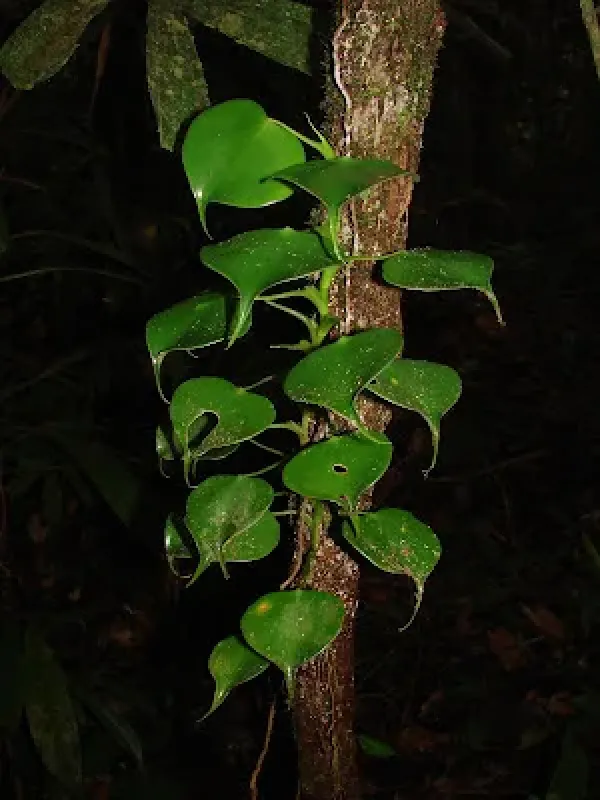
Description
Growing requirements
Diatenopteryx grazielae is a member of the Sapindaceae family, native to the tropical forests of South America. This species is primarily recognized as a valuable hardwood timber tree within its natural range.
The culture thrives in well-drained soils that are rich in organic matter. It requires a tropical climate characterized by high humidity and the absence of freezing temperatures, which are essential for its proper physiological development.
Light availability is a critical factor for the growth of these trees. While young specimens may tolerate partial shade, the species generally performs best in environments where it can access sufficient sunlight to develop a robust canopy.
Agronomic management involves maintaining soil moisture levels and ensuring that the ground provides proper drainage to prevent root hypoxia. Soil aeration is vital for the long-term health of the root system.
Sustainable cultivation practices include spacing the trees correctly during planting to minimize resource competition and encourage uniform timber development.
Yield
The primary economic value of Diatenopteryx grazielae lies in its dense, durable wood. This material is highly prized in cabinetry and high-end furniture manufacturing due to its structural properties.
Timber yield per hectare is highly dependent on plantation management intensity, including pruning and the application of balanced silvicultural techniques throughout the lifespan of the stand.
The growth cycle is long-term, requiring investors and foresters to focus on high-quality production rather than rapid turnover. This slow-growth approach ensures the density and quality of the wood produced.
Beyond its timber utility, this species serves as an important component in tropical forest restoration efforts, providing shade and contributing to the local ecosystem services.
Industrial demand for high-quality sustainable timber makes this species a significant subject for professional research in tropical forestry.
Main diseases and pests
The health of Diatenopteryx grazielae can be compromised by various fungal pathogens, especially in areas with poor drainage that lead to waterlogging. These conditions often precede root and collar rot issues.
Leaf-feeding insects represent a constant threat during the early growth stages, capable of causing significant defoliation that impacts the tree's vigor and ability to grow.
Boring insects can infiltrate the wood, potentially degrading the quality of the harvested timber if infestations are not managed early in the development cycle.
Integrated Pest Management (IPM) strategies are recommended to mitigate risks while maintaining the ecological balance within the forest stands.
- Root rot pathogens
- Stem-boring insect infestations
- Foliar herbivory