
Diatenopteryx sorbifolia
Diatenopteryx sorbifolia
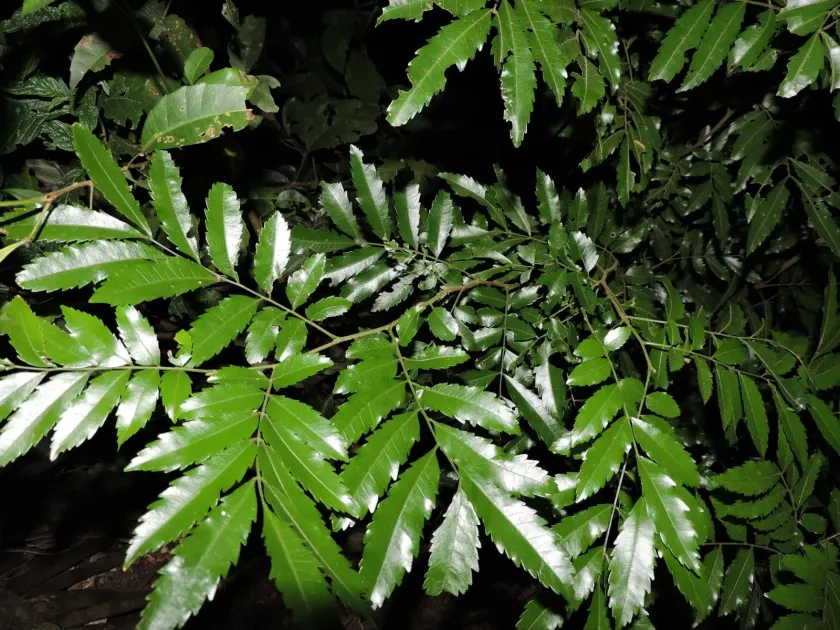
Description
Growing requirements
Diatenopteryx sorbifolia is a prominent member of the Sapindaceae family. Native to South American forests, particularly in Brazil, Argentina, and Paraguay, this tree species is well-known for its ecological significance and commercial value.
The species thrives in tropical and subtropical environments. It requires significant rainfall and consistently high temperatures to achieve its full growth potential, mirroring the conditions of its native habitats.
Soil quality is a critical factor for the successful cultivation of this tree. It favors deep, well-draining soils that are rich in organic matter. Waterlogged areas are generally unsuitable, as they can cause root rot and hinder the tree's health.
Cultivation practices involve selecting sites that provide adequate space for crown expansion. As a fast-growing species in its early stages, it is highly valued for reforestation projects where rapid canopy establishment is desired.
Maintaining proper soil nutrient balance is essential. Agroforestry practices often integrate this species to improve soil fertility, as the leaf litter significantly contributes to the organic content and nutrient cycling within the forest floor.
Harvesting
The primary economic focus for Diatenopteryx sorbifolia is the timber industry. Its wood is highly appreciated for its strength, durability, and attractive grain, making it ideal for high-quality woodworking and fine furniture manufacturing.
Harvesting timber requires professional forest management techniques to ensure the longevity of the stands. Selective logging is preferred to maintain ecological balance and prevent the depletion of the natural population in its native regions.
Beyond timber, the tree serves as an excellent shade source in urban planning and reforestation efforts. Its canopy provides significant cooling effects, contributing to climate mitigation in densely populated tropical areas.
The harvest of reproductive materials involves collecting mature fruits. These are processed to extract high-quality seeds, which are then used in nurseries to propagate the species for future commercial plantations or ecological restoration.
Current research investigates the potential use of the tree's biomass in chemical industries. Extracting specific compounds from its leaves or wood holds promise for new applications in medicinal or industrial chemistry, diversifying the crop's economic profile.