
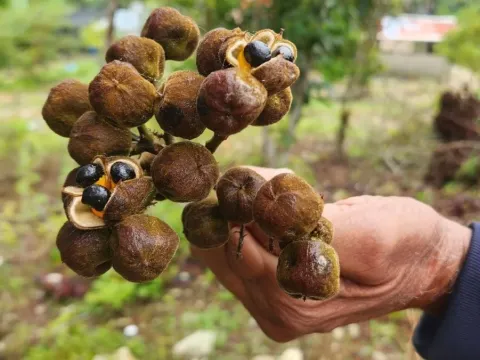
Cupania
Cupania
Cupania is a genus of evergreen trees and shrubs within the Sapindaceae family. These plants are primarily native to the tropical and subtropical regions of the Americas, thriving in diverse forest ecosystems.
What the section contains


Cupania
The climate requirements for Cupania include high humidity and consistently warm temperatures. These species are highly sensitive to frost, which limits their cultivation to tropical regions or controlled greenhouse environments.
Soil requirements focus on well-drained, nutrient-rich substrates with a slightly acidic to neutral pH. Proper soil aeration is essential, as the roots are prone to suffocation in heavy, compacted, or waterlogged soils.
Regarding light, these trees generally prefer filtered sunlight. While they can tolerate varying levels of light, intense, direct midday sun can cause leaf scorch in young or newly transplanted specimens.
Cultural practices include consistent moisture management throughout the growing season and the application of organic mulch. Proper spacing is necessary to allow for canopy development and to prevent competition between individual trees.
Cupania plants are susceptible to common tropical pests such as aphids, scale insects, and mealybugs. These pests typically congregate on the underside of leaves or along young stems, requiring careful monitoring.
Fungal pathogens, including leaf spot and various types of blight, can become problematic during periods of high humidity and poor ventilation. Keeping the canopy open through selective pruning is a key preventive strategy.
Root rot caused by Oomycetes or other soil-borne fungi is a significant threat when drainage is inadequate. Managing irrigation cycles to allow the soil surface to dry slightly between waterings is essential.
Spider mites represent a recurring issue in drier conditions, often causing stippling on the leaves. Integrated pest management, including the use of horticultural oils, is often effective for control.
Overall, maintaining plant vigor through appropriate fertilization and stress reduction helps the trees resist infestations. Removal of infected plant debris is recommended to break the cycle of potential disease outbreaks.