
Cupania juglandifolia
Cupania juglandifolia
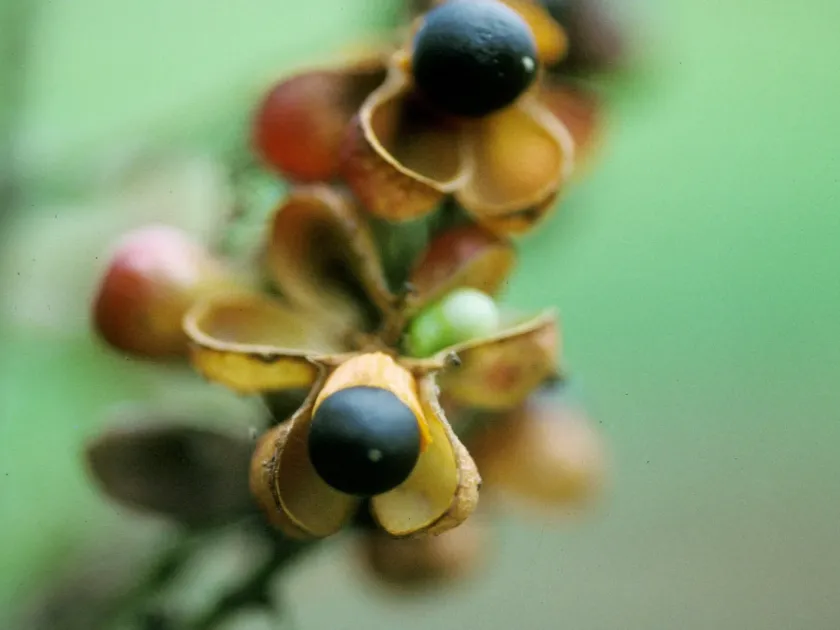
Description
Growing requirements
Cupania juglandifolia is a tropical tree belonging to the Sapindaceae family. Originally native to the moist forests of Central and South America, this species is well-adapted to humid, equatorial conditions where biodiversity is high.
The crop requires fertile, well-draining soils with adequate organic matter. It is highly intolerant of waterlogged soil conditions, which can lead to root rot; therefore, selecting an appropriate site with good natural or artificial drainage is paramount for successful cultivation.
Climate is the primary factor limiting the range of this species. It thrives in tropical zones characterized by consistently warm temperatures throughout the year. Any exposure to frost or prolonged cold snaps can be fatal to the tree, especially in its juvenile stage.
The plant benefits from protection against strong, drying winds that can cause leaf desiccation. In its native habitat, it grows within the forest structure, which provides a level of shelter from direct sun and wind, supporting steady vegetative growth.
In terms of agricultural management, Cupania juglandifolia is valued for its versatility in timber production and its ornamental potential. Proper site preparation, including soil enrichment, ensures the tree reaches its maximum potential in terms of height and trunk diameter.
Yield
The yield of Cupania juglandifolia is typically measured in terms of timber volume and growth rate. Under optimal tropical conditions, the tree demonstrates a reliable growth rhythm, contributing to sustainable forestry production.
Harvesting strategies are based on the maturity of the wood, which usually requires several decades to achieve high-quality density and grain characteristics. Strategic pruning during the initial growth phases is essential to encourage the development of a strong, straight main trunk.
Yield efficiency is directly linked to the management of planting density. By ensuring that each individual tree has sufficient space for canopy development, foresters can maximize the total timber output per hectare over the long rotation period.
Soil nutrient monitoring is critical for sustained growth. Regular applications of organic mulch can help retain soil moisture and provide the necessary nutrients for the tree to maintain its vegetative vigour throughout the dry season.
The economic success of the crop depends on the consistent application of silvicultural practices, which focus on preserving trunk integrity and protecting the vascular system from environmental stress.
Main diseases and pests
Like many tropical species, Cupania juglandifolia can be susceptible to various leaf-chewing insects. Monitoring programs are essential to detect early infestations and prevent significant damage to the photosynthetic capacity of the canopy.
Fungal pathogens represent a risk, particularly in areas where humidity levels remain high and air circulation is poor. Thinning the canopy through precise pruning can help create a microclimate that is less conducive to the spread of fungal spores.
Soil-borne pests such as nematodes can negatively impact the development of young trees. Using clean, pathogen-free substrate in nursery operations is the most effective way to protect the crop during the most vulnerable stage of its life.
Climbing plants and invasive vines can compete with the trees for resources and cause physical deformation of the trunks. Frequent clearing of the understory is necessary to maintain the health and structural quality of the plantation.
Strategic site selection remains the best defense against pests and diseases. By avoiding poorly drained or overly arid plots, growers can ensure the trees maintain the vigor required to resist opportunistic pathogens and environmental stressors.