
Cupania emarginata
Cupania emarginata
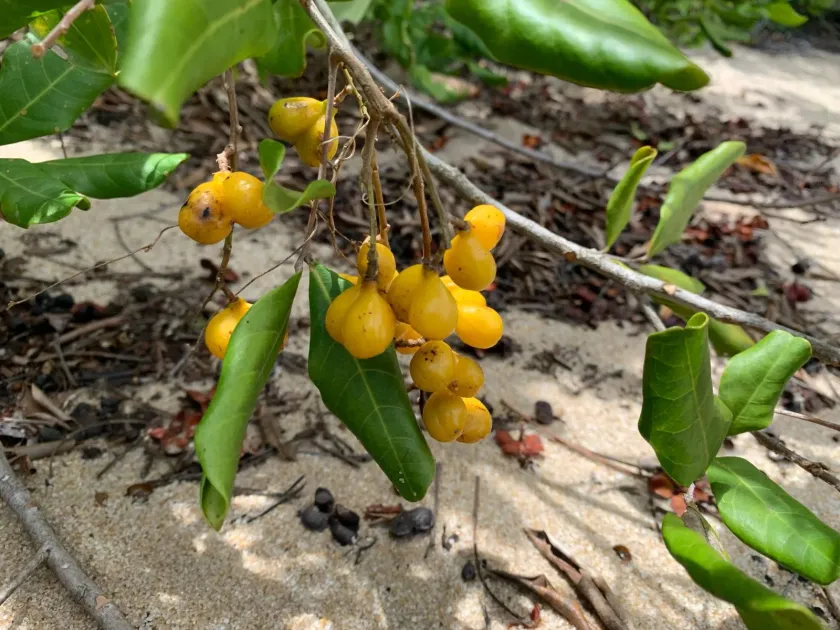
Description
Growing requirements
Cupania emarginata is a notable botanical species belonging to the Sapindaceae family. Native to tropical regions, this tree thrives in high-humidity environments where temperatures remain consistent throughout the year, supporting its evergreen growth habit.
The cultivation of this plant requires well-draining, nutrient-rich soil. It is particularly sensitive to waterlogging, which necessitates careful irrigation management to prevent root rot, especially in confined container environments or heavy clay soils.
Regarding light conditions, Cupania emarginata prefers bright, filtered sunlight. Exposure to direct, harsh midday sun should be avoided, as it can cause leaf scorch and damage the delicate internal tissues of the foliage, particularly in younger specimens.
Optimal growth is achieved when air humidity remains high, mirroring its natural tropical habitat. Growers should prioritize placing the plant in areas with good air circulation while maintaining a warm ambient temperature between 20°C and 28°C.
Maintenance involves periodic fertilization during the growing season. A balanced, water-soluble fertilizer applied in diluted doses helps sustain the plant’s health and encourages the development of vibrant, lush foliage typical of this species.
Harvesting
The primary horticultural application of Cupania emarginata is decorative. It is frequently utilized in tropical landscaping to create shaded areas and add structural interest to botanical gardens due to its balanced branching pattern.
While the tree is not a primary agricultural commodity, its wood has historically been noted for its density in certain regions. Its main value remains its aesthetic contribution to garden design, where it serves as an excellent focal point.
Propagation is generally performed through seeds collected from matured fruits. For maximum success, seeds should be planted shortly after harvest, as their viability decreases significantly if they are allowed to dry out completely.
During the plant's growth cycle, light pruning may be required to maintain a desired shape and remove dead or diseased branches. This practice ensures that the tree remains vigorous and free from overcrowding, which could otherwise limit light penetration.
Gardeners focusing on this species should monitor growth patterns closely. Proper management of the tree's architecture ensures it remains a healthy and visually appealing component of the landscape, contributing to the overall diversity of the collection.