
Cupania glabra
Cupania glabra
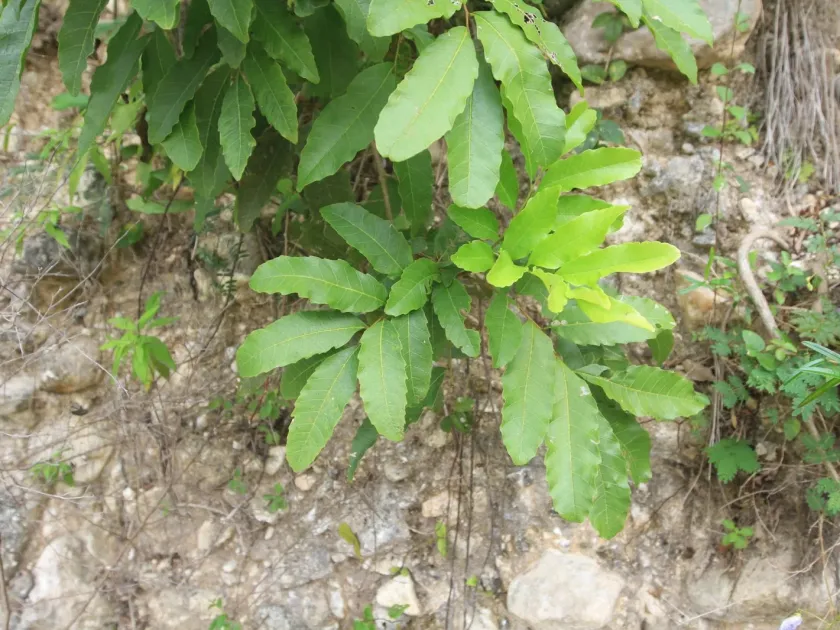
Description
Growing requirements
Cupania glabra is a prominent species within the Sapindaceae family, known for its dense foliage and robust growth. This evergreen tree is a significant component of tropical ecosystems across its native range.
The tree thrives in warm, tropical climates that do not experience freezing temperatures. It requires a stable environmental context with high humidity to reach its full biological potential in terms of height and canopy spread.
Soil requirements focus on fertility and drainage. The species adapts well to various soil types, but deep, nutrient-rich soils promote the fastest growth rates and better health for the developing tree stands.
Sunlight is a critical factor for Cupania glabra. As a heliophilic species, it requires ample exposure to direct sunlight to ensure efficient metabolic processes and the development of high-quality wood tissue.
Cultivation management involves monitoring soil moisture and providing adequate irrigation during the initial establishment phase. Regular pruning helps to maintain the desired tree shape and improves structural integrity.
Harvesting
The primary economic use of Cupania glabra is in the forestry industry, where its dense wood is valued for its durability. It serves as a reliable material for construction and heavy-duty furniture making.
Besides timber production, the tree has applications in landscape architecture and urban reforestation projects. Its aesthetic appeal makes it a suitable choice for parks and botanical gardens in tropical zones.
Harvesting timber requires professional techniques to ensure sustainable forest management. Proper seasoning and kiln-drying are essential post-harvest processes to prevent warping and increase the wood's lifespan.
Seed collection is vital for propagation. Collectors target mature fruits that show signs of dehiscence, ensuring the seeds are fully developed and viable for nursery production or direct sowing.
Continuous monitoring of plantation health is necessary to manage potential pests and diseases common to the Sapindaceae family, ensuring a high-quality yield for the global timber market.