
Cupania vernalis
Cupania vernalis
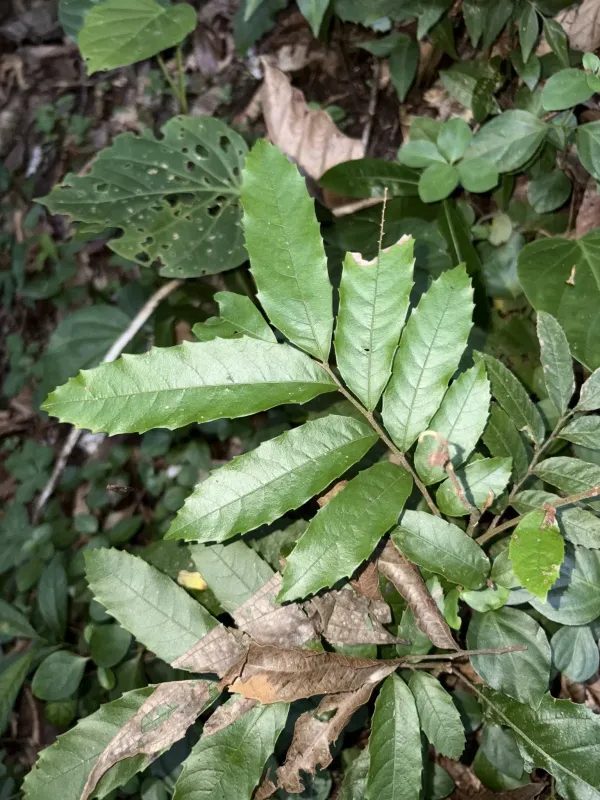
Description
Growing requirements
Cupania vernalis is a prominent evergreen tree species belonging to the Sapindaceae family. Native to the subtropical and tropical regions of South America, including Brazil and Argentina, this species is highly valued for its contribution to forest biodiversity.
The plant thrives in regions with significant annual rainfall and warm temperatures. It is well-adapted to various soil types, provided there is adequate drainage. It often grows in semi-deciduous and humid forests, where it serves as a key canopy component.
Botanically, the tree is characterized by its compound leaves and small, numerous flowers. Its fruits are capsular, split open at maturity, and contain seeds often dispersed by wildlife. This reproductive strategy ensures successful natural regeneration in native habitats.
From a silvicultural perspective, Cupania vernalis is utilized in reforestation projects due to its fast growth rate and ability to colonize degraded lands. It helps restore soil structure and provides necessary shade for other native species during the successional process.
The wood of this tree is recognized for its durability and moderate density. It is frequently employed in local woodworking, joinery, and the construction of various agricultural structures, highlighting its economic importance beyond its ecological value.
Main diseases and pests
The species can be prone to infestations by leaf-eating insects, which may cause significant defoliation during particularly dry seasons. Integrated pest management strategies are generally recommended to preserve the integrity of young saplings in nursery settings.
Pathogenic fungi related to humidity-induced stress can occasionally impact the plant's health. Maintaining proper spacing between trees during plantation establishment is a standard agronomic practice to improve airflow and reduce the incidence of disease outbreaks.