
Cupania americana
Cupania americana
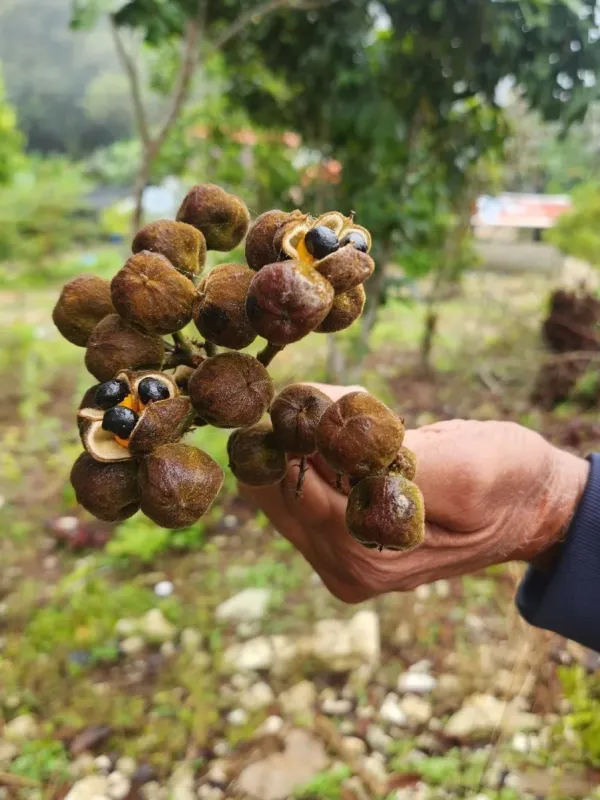
Description
Growing requirements
Cupania americana is an evergreen tree belonging to the Sapindaceae family. Native to tropical regions of Central and South America, it thrives in environments characterized by high humidity and consistent warm temperatures throughout the year.
The plant requires well-drained, fertile soil to ensure robust root development. It is highly sensitive to frost and extreme cold, which limits its commercial cultivation to strictly tropical and subtropical climates where temperatures remain above freezing.
Regarding light requirements, the species shows a preference for bright, indirect sunlight, especially in its early growth stages. Adequate air circulation is crucial to prevent fungal issues that often plague trees grown in humid, stagnant conditions.
Soil management for this crop involves maintaining a steady supply of organic matter. Growers should avoid waterlogging, as the species is adapted to forest soils that possess natural drainage capabilities even during heavy rainfall seasons.
The biological structure of the tree, with its dense wood and widespread canopy, makes it an essential component of local ecosystems. Proper management practices must focus on preserving the soil nutrient balance to support long-term productivity.
Harvesting
The primary economic focus for Cupania americana is the harvesting of its high-quality timber. The wood is dense and durable, making it suitable for various carpentry applications and construction purposes within its native range.
Harvesting operations are typically conducted on mature trees that have reached a specific diameter and age. Selective logging is often employed to ensure the forest ecosystem remains functional while extracting the necessary raw materials.
Post-harvest processing of the timber is vital to prevent warping and degradation. It usually involves a controlled drying process that stabilizes the wood cells before it is distributed for industrial or artisanal use.
Apart from timber, the fruit and seeds are occasionally collected for traditional uses. Harvesting these requires careful timing to ensure maturity and viability, particularly when seeds are intended for future propagation efforts.
Modern management of these trees involves monitoring for any signs of disease or pest infestation during the growth cycle. Regular inspections ensure that the timber quality remains consistent until the harvest phase is completed.