
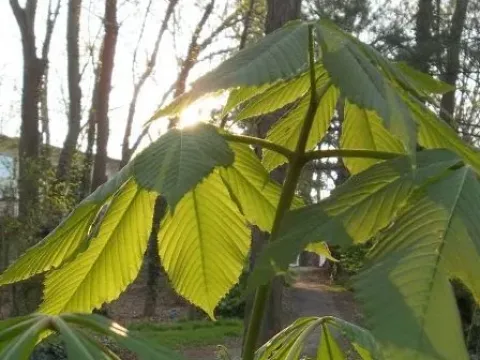
Wilson horse chestnut
Aesculus wilsonii
The Wilson horse chestnut (Aesculus wilsonii) is a distinguished deciduous tree species belonging to the Sapindaceae family. Known for its elegant form and impressive foliage, it serves as a significant ornamental specimen in temperate botanical collections and large landscapes.
What the section contains
Wilson horse chestnut
Native to China, this species thrives in forest environments with moderate climates. It performs best in deep, fertile, and well-drained soils that retain moisture without becoming waterlogged, mirroring its natural mountain habitat.
Site selection is crucial for the successful establishment of this tree. It requires a sheltered position protected from harsh prevailing winds and benefits significantly from partial shade, particularly in regions with intense summer heat.
Cultural practices include consistent irrigation during the first few years of growth and throughout prolonged dry spells. Applying a thick layer of organic mulch around the base helps preserve moisture levels and stabilizes soil temperatures around the shallow root zone.
Fertilization with balanced slow-release nutrients in early spring supports vigorous foliage development. Pruning should be limited to the removal of dead or crossing branches to maintain the tree's natural architectural shape.
Leaf blotch and various fungal leaf spot diseases can affect the tree, especially during seasons with high humidity and poor air circulation. Regular monitoring for discolored foliage is essential for early intervention.
The chestnut leaf miner moth is a common pest that impacts the visual quality of the tree. The infestation causes unsightly brown blotches on the leaves, which can lead to early senescence if left untreated.
Root rot, specifically caused by overwatering or poorly drained planting sites, poses a major risk. Ensuring proper drainage is the most effective preventative measure against these soil-borne pathogens.
Sucking insects such as scale insects may colonize the twigs and branches. If left unchecked, these pests can sap the vigor of the tree, potentially leading to branch dieback in stressed specimens.
Integrated Pest Management (IPM) strategies, including the removal of leaf debris and the use of horticultural oils, are recommended to maintain tree health and minimize the need for chemical intervention.