
Veitch maple
Acer veitchii
Description
Growing requirements
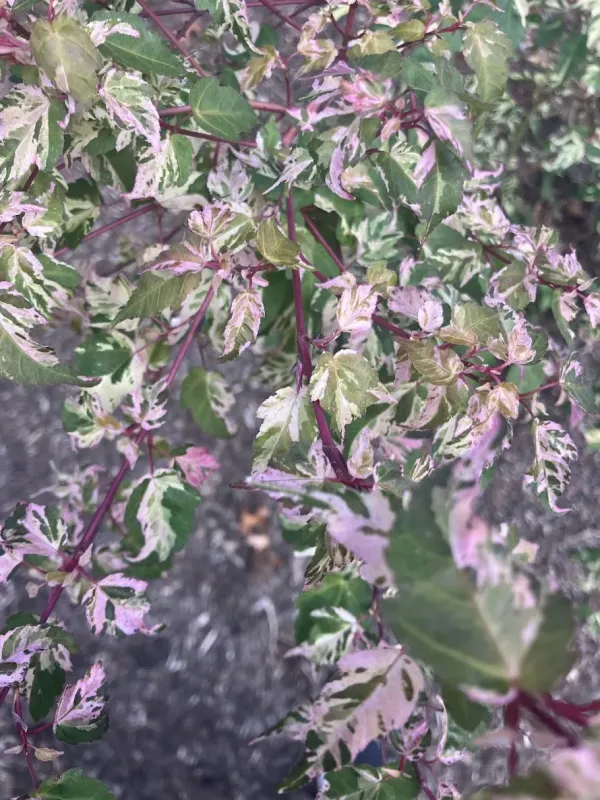
Veitch maple (Acer veitchii) is an exquisite ornamental tree species belonging to the Sapindaceae family. It is highly regarded by arborists and landscape designers for its unique foliage characteristics and elegant growth habit, making it a valuable addition to botanical collections.
Originating from the temperate regions of East Asia, this species thrives in conditions that mimic its native habitat. It requires a balanced environment with moderate temperature fluctuations and protection from harsh, drying winds that can damage the delicate leaf margins.
Soil quality is a critical factor for the successful cultivation of Acer veitchii. The ideal site should offer well-drained, nutrient-rich soil with a slightly acidic to neutral pH. Providing a consistent moisture level while ensuring proper drainage is essential to avoid root-related physiological issues.
Standard agrotechnical practices for this species include regular supplemental irrigation during dry spells and the application of organic mulch around the base of the trunk. This practice helps to regulate soil temperature and conserve moisture, which is vital for young specimens.
Placement in the garden should prioritize partial shade or dappled sunlight. Direct exposure to intense midday sun in hotter zones may cause leaf scorch, therefore, positioning the tree where it receives morning sun and afternoon shade is optimal for growth.
Main diseases and pests
The primary pathological threats to the Veitch maple include fungal diseases such as powdery mildew and various leaf spot pathogens. These are often mitigated by maintaining adequate spacing between trees to ensure effective airflow and canopy ventilation.
Common insect pests include aphids and mites, which can cause significant damage to young shoots during the growing season. Early intervention through monitoring and the use of appropriate horticultural treatments remains the most effective control strategy for healthy growth.