
Xerospermum
Xerospermum
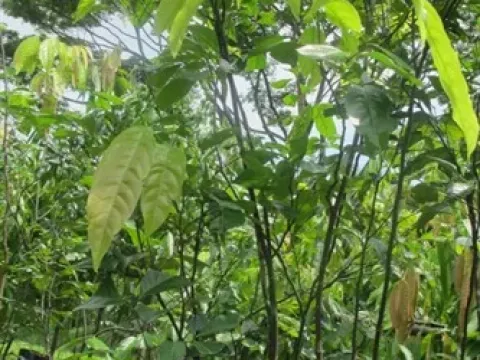
Xerospermum is a genus of evergreen trees belonging to the Sapindaceae family. Native to the tropical regions of Southeast Asia, these trees thrive in dense, humid forests where they contribute to the regional biodiversity.
What the section contains

Xerospermum
The climate requirements for Xerospermum include consistently high temperatures and significant annual rainfall. These plants do not tolerate cold snaps or frost, making them suitable only for tropical or subtropical zones with stable weather patterns.
Regarding soil conditions, Xerospermum requires deep, fertile, and well-drained substrate. While the tree can adapt to various soil types, waterlogged conditions must be avoided at all costs to prevent root rot and ensure healthy development.
Botanically, Xerospermum is characterized by pinnate leaves and small, cluster-forming flowers. Its fruits are typically capsular, containing seeds enveloped in a fleshy aril, which is the primary edible portion of the fruit.
In a cultivation setting, providing adequate spacing between trees is essential to allow for canopy development and air circulation, which helps reduce the incidence of fungal diseases in humid environments.
The primary economic use of Xerospermum is for its edible fruits. These are consumed locally and are often compared to other popular Sapindaceae fruits such as rambutan, offering a distinct sweet and slightly tangy flavor profile.
Harvesting is performed manually once the fruits reach their physiological maturity. Timing is crucial, as early harvesting results in poor flavor development, while late harvesting may lead to fruit splitting or premature decay.
Post-harvest handling requires gentle transport and storage in cool conditions to preserve the fruit's integrity. Because of their limited shelf life, these fruits are mostly sold in local markets near the production areas.
Beyond food production, the tree is appreciated for its structural timber in some regions, though it is not a primary source of commercial lumber. Its ecological role as a forest tree remains significant in its native habitat.
Future agricultural prospects for Xerospermum depend on selective breeding aimed at improving fruit size, yield stability, and shelf life to make it more viable for global export markets.