
Velvet maple
Acer velutinum
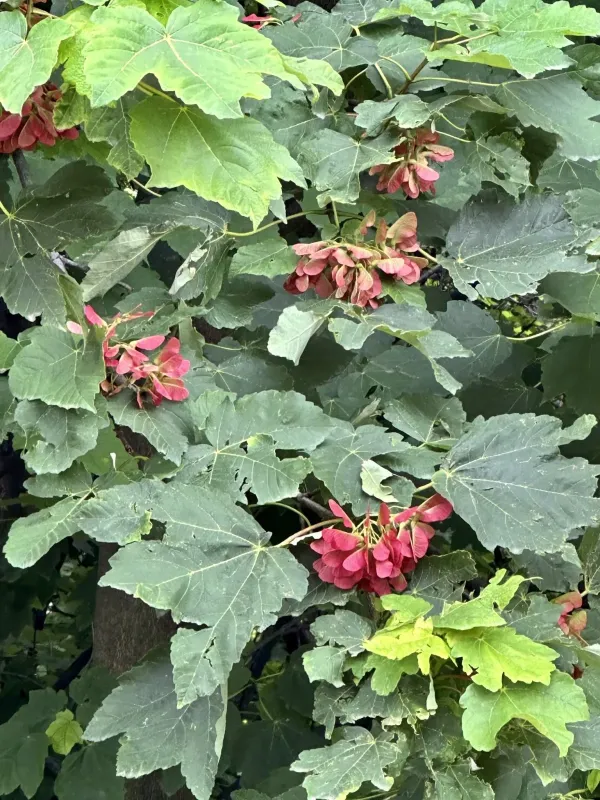
Description
Growing requirements
The Velvet Maple (Acer velutinum) is a member of the Sapindaceae family. It is a large deciduous tree natively found in the mountain forests of the Caucasus and Northern Iran, where it thrives in moist, temperate microclimates.
This species is highly demanding regarding soil quality. It prefers deep, nutrient-rich, and well-drained loamy soils. Stagnant water is detrimental to its root system, while soil compaction hinders its vigorous growth habit.
Climatically, the Velvet Maple requires stable moisture levels throughout the growing season. While it exhibits tolerance to partial shade in its juvenile stage, mature trees require significant sunlight to develop their characteristic broad, dense canopy.
Agricultural management should focus on maintaining consistent soil moisture, especially during the establishment years. Mulching around the base of the tree is a recommended practice to stabilize soil temperature and prevent rapid moisture loss.
When selecting a site for cultivation, one should prioritize areas with good air circulation and protection from extreme dry winds. Proper space must be allocated between individuals to allow for full crown development and maximize timber production potential.
Main diseases and pests
The main pathological threats include fungal infections such as powdery mildew and various leaf spot diseases, which often flourish in humid conditions. Maintaining proper plant spacing is essential to ensure adequate airflow and reduce the incidence of these diseases.
Pest pressure from aphids and defoliating caterpillars can be significant in dense stands. Integrated pest management strategies, involving regular monitoring and the use of targeted biological controls, are recommended for maintaining tree health.