
White-purple maple
Acer albopurpurascens
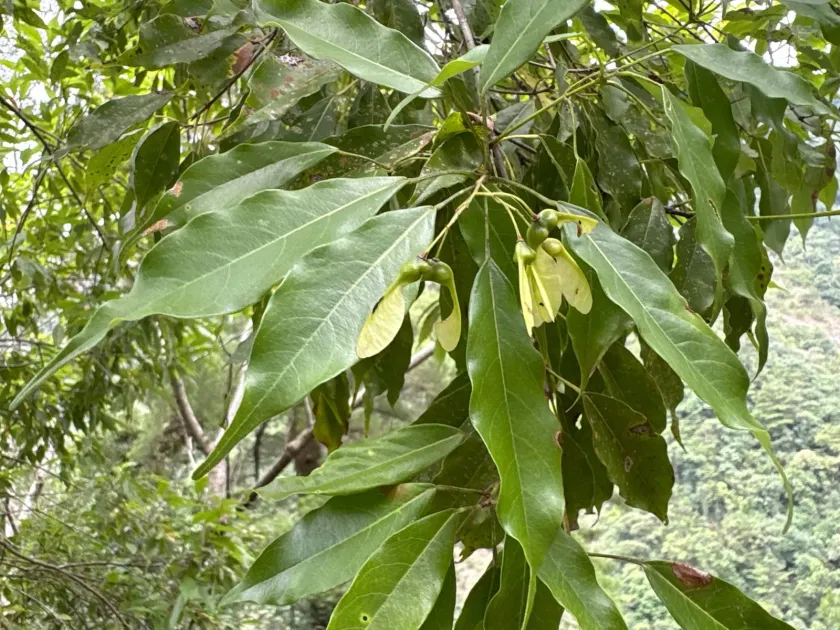
Description
Growing requirements
The White-purple maple, scientifically classified as Acer albopurpurascens, belongs to the Sapindaceae family. This species is known for its distinct botanical characteristics and is primarily grown in environments that mimic its natural temperate habitat.
Cultivation success relies on deep, loamy soils with optimal drainage capabilities. The species is sensitive to waterlogged conditions, which can inhibit root respiration and foster the growth of pathogenic fungi in the root zone.
Regarding climate, this maple prefers regions with consistent moisture levels and protection from extreme wind gusts. Adequate spacing between specimens is necessary to ensure proper crown development and access to sunlight, which is vital for the intensity of its foliage coloration.
Agronomic management involves periodic fertilization using balanced NPK formulas to support wood maturation and seasonal growth cycles. Fertilizers should be applied during the early spring to maximize nutrient uptake before the heat of mid-summer.
Pruning is essential for maintaining tree health and structural integrity. Dead or crossing branches should be removed using sterilized tools to minimize the risk of mechanical damage and the entry of pathogens through the wound sites.
Main diseases and pests
The species is susceptible to various pests, including aphids and maple scale, which feed on phloem sap. Integrated pest management strategies, utilizing beneficial insects or targeted insecticides, are recommended to maintain tree vigor without disrupting local biodiversity.
Powdery mildew represents a major fungal threat, particularly in humid and stagnant air conditions. Improving airflow through crown thinning and applying prophylactic fungicide treatments are standard practices to prevent significant foliage damage.
Leaf spot diseases often occur due to prolonged leaf wetness or poor sanitation in the orchard or park area. Collecting and disposing of fallen autumn leaves is a mandatory step to interrupt the life cycle of overwintering fungal spores.
Root rot, specifically caused by Phytophthora species, can be devastating if the soil drainage is inadequate. Ensuring that the planting site is elevated and well-draining is the most effective preventative measure against this persistent soil-borne pathogen.
Invasive wood-boring insects present a threat to mature trees, especially those already under environmental stress. Regular visual inspections of the trunk for bore holes or sap leaks are necessary for early detection and mitigation of these destructive pests.