
Wilson maple
Acer wilsonii
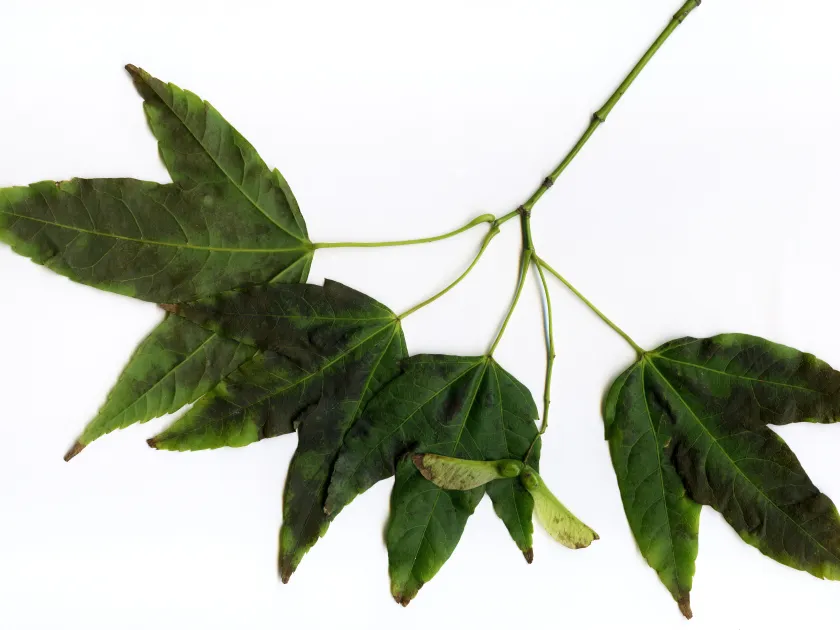
Description
Growing requirements
Wilson maple (Acer wilsonii) is a deciduous tree species belonging to the Sapindaceae family. Native to the mountainous forests of central and southern China, it is highly valued for its aesthetic appeal and graceful growth habit.
The culture requires deep, well-drained soil rich in organic matter. While it is adaptable to various soil types, it performs best in neutral to slightly acidic conditions. Ensuring proper drainage is critical, as the roots are sensitive to waterlogging, which can cause severe stress.
Regarding climate, Wilson maple thrives in temperate zones. It prefers environments where temperatures are moderate, avoiding the extreme heat of mid-summer or the harsh, freezing winds of winter that could damage tender bark and buds.
Botanically, this tree is distinguished by its unique leaf structure and elegant branching. It typically grows as a medium-sized tree, making it an excellent candidate for parks, botanical gardens, and spacious private estates where its form can be fully appreciated.
Agricultural management involves routine watering during prolonged dry spells to maintain soil moisture levels. Applying organic mulch around the base of the trunk helps suppress weeds and regulates soil temperature, which significantly promotes healthy development.
Main diseases and pests
The species is susceptible to various fungal pathogens, such as leaf spot and anthracnose, which are favored by high humidity and poor airflow. Managing canopy density through thinning is a recommended preventative measure.
Pests such as aphids and scale insects can also impact the tree's vigor. Regular monitoring of the foliage and stems allows for timely intervention using integrated pest management strategies or approved horticultural soaps.