
Western soapberry
Sapindus drummondii
Description
Sowing dates
Propagation of Sapindus drummondii is primarily performed through seeds, which require stratification to achieve high germination rates. Seeds should be sown in autumn or after a period of cold treatment in early spring to break dormancy.
For container-grown seedlings, a well-draining sandy mix is essential to prevent waterlogging during the initial growth stages. Seeds are typically planted at a depth of 2 to 3 centimeters in a protected environment.
Scarification of the hard seed coat is highly recommended before sowing to facilitate moisture uptake. This step significantly reduces the time required for the seedlings to emerge from the soil.
Transplanting to the permanent field site is best done in the spring once the risk of late frosts has passed. Young trees need consistent irrigation during their first years to develop a robust root system.
As a member of the Sapindaceae family, this species can reach significant heights, so careful spacing is necessary during plantation layout to ensure proper airflow and light penetration for every tree.
Growing requirements
Western Soapberry thrives in well-drained, fertile sandy or loamy soils with a neutral to slightly alkaline pH. While the tree is known for its drought tolerance, regular watering is crucial for maximizing fruit yield in agricultural settings.
The tree requires full sun exposure to maintain high vitality and fruit production. Shaded areas lead to spindly growth and a notable decrease in the concentration of saponins within the berries.
Climatic requirements involve a long growing season with hot summers, which allows the fruits to mature fully. While mature trees are frost-hardy, younger saplings may need protection during extreme cold spells.
Application of organic fertilizers in early spring is beneficial for sustaining soil fertility. It is important to maintain clear soil around the base and prevent the accumulation of stagnant water.
Proper aeration of the soil is vital for the health of the roots, as this tree performs poorly in heavy, compacted clay soils that remain wet for extended periods during the winter season.
Main diseases and pests
Common pests include scale insects and aphids, which may infest young foliage and shoots. Regular monitoring and integrated pest management are recommended to keep populations under control.
Diseases are generally infrequent but can arise if the soil moisture levels are not managed properly, leading to potential root rot issues. Good drainage is the most effective preventative measure.
Biological control methods, such as encouraging beneficial predatory insects, are preferred in commercial soapberry plantations to maintain ecological balance and product purity.
Maintaining the integrity of the bark is important for the overall health of the tree, as wounds can invite secondary infections. Careful handling during maintenance tasks helps prevent unnecessary damage.
With correct agricultural practices, Western Soapberry is a resilient crop with low vulnerability to disease, making it a sustainable choice for long-term production in suitable climates.
Harvesting
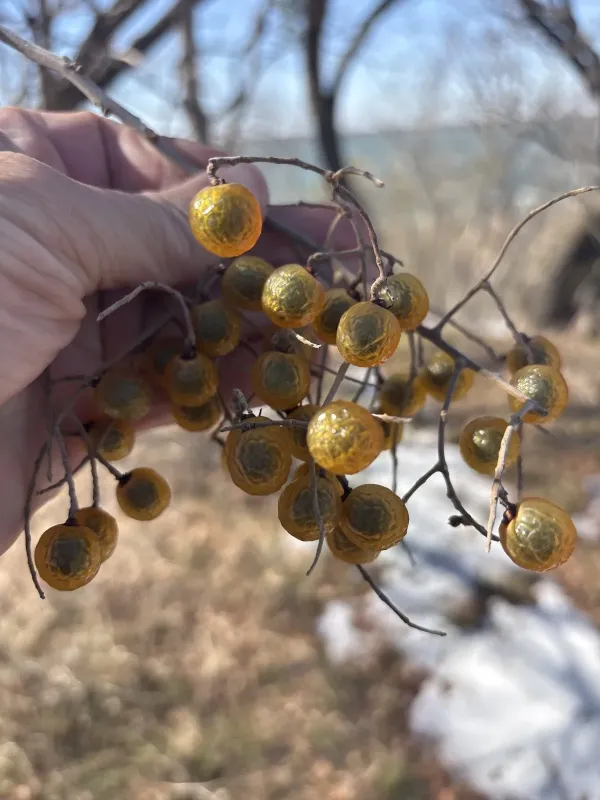
The primary agricultural output of this plant is its berries, which contain significant amounts of natural saponins. Harvesting occurs when the fruits reach full maturity, indicated by their leathery, brown appearance.
Harvesting is typically carried out by hand or through mechanical shaking of the branches onto tarps. It is critical to perform this during dry weather to prevent mold and spoilage of the harvested crop.
Post-harvest, the berries must be dried in well-ventilated areas to remove moisture. Proper drying is essential to ensure a long shelf life and to preserve the surfactant properties of the soap nuts.
The harvested nuts are used in the production of organic shampoos, laundry detergents, and various natural cleaning agents, representing a sustainable and profitable agricultural niche.
Ongoing selection focuses on improving the weight of the berries and the saponin content, which directly correlates to the economic value of the farm and the quality of the final product.