
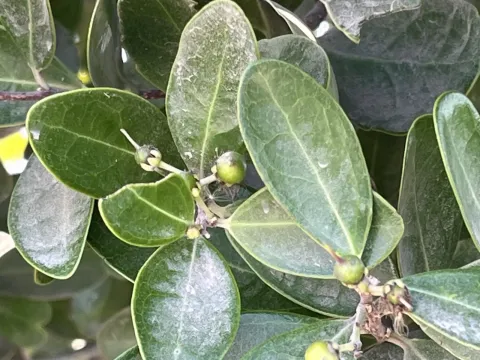
Scolopia
Scolopia
Scolopia is a genus of evergreen trees and shrubs belonging to the Salicaceae family. These plants are primarily distributed across tropical and subtropical regions of Africa, Asia, and Australia, adapting to various warm climates.
What the section contains
 Scolopia acuminata
Scolopia acuminata
Scolopia acuminata
 Scolopia chinensis
Scolopia chinensis
Scolopia chinensis
 Scolopia crassipes
Scolopia crassipes
Scolopia crassipes
 Scolopia heterophylla
Scolopia heterophylla
Scolopia heterophylla
 Scolopia mundii
Scolopia mundii
Scolopia mundii
 Scolopia oldhamii
Scolopia rhamniphylla
Scolopia rhamniphylla
Scolopia oldhamii
Scolopia oldhamii
Scolopia rhamniphylla
Scolopia rhamniphylla
 Scolopia rigida
Scolopia rigida
Scolopia rigida
Scolopia
Botanically, the genus is distinguished by its leathery foliage and, in many species, the presence of sharp spines that act as a deterrent against herbivores. The flowers are typically small and inconspicuous, emerging in clusters that attract local pollinators.
Cultivation of Scolopia requires a frost-free environment and significant solar exposure to promote vigorous growth. The plants thrive best in well-drained, fertile soil, which prevents root asphyxiation during periods of heavy rainfall.
Agronomically, the plant is valued for its versatility in landscaping, often used to form durable hedges or barriers due to its dense branching structure. It is also grown as an ornamental specimen in botanical gardens throughout warmer zones.
Maintenance involves consistent moisture management without overwatering, as the root system is highly sensitive to waterlogging. Regular pruning is necessary to maintain the desired shape and to remove any dead or diseased wood.
Common pests affecting Scolopia include scale insects and spider mites, which can cause significant damage to foliage and slow down the development of young plants.
Fungal infections, such as leaf spot, are prevalent in high-humidity conditions, requiring growers to monitor the plants closely and maintain adequate spacing between specimens.
Pest management programs should focus on integrated approaches, utilizing biological controls or targeted insecticides when the population thresholds are exceeded.
To prevent disease outbreaks, ensuring good air circulation within the canopy and applying appropriate fungicides during the rainy season is highly recommended for nursery-grown plants.
Overall, maintaining plant health through proper fertilization and avoiding stress factors like drought or excessive nutrient deficiencies is the best defense against major threats.