
Scolopia mundii
Scolopia mundii
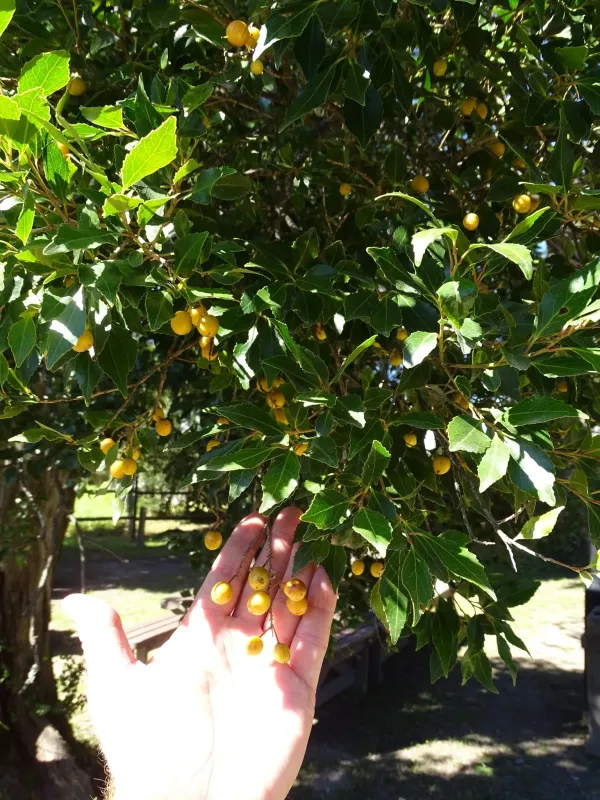
Description
Growing requirements
Scolopia mundii, commonly known as the Red Pear, belongs to the Salicaceae family. It is a slow-growing evergreen tree that originates from the forest regions of Southern Africa, exhibiting remarkable resilience in its natural habitat.
Botanically, the tree is characterized by its dense, glossy foliage and rigid, often thorny branches which serve as a natural defense mechanism. The leaves are typically ovate and provide a rich texture, making the species highly ornamental.
The plant requires well-drained, fertile soil to thrive. It prefers a location with moderate to high light exposure, although it can tolerate partial shade during its juvenile stages. Consistent soil moisture is beneficial for growth.
Climate requirements for this species are centered around temperate to subtropical conditions. While it is adaptable, the plant performs best in areas protected from severe frost, which can cause significant damage to young shoots and leaves.
In terms of хозяйственное (economic) use, the timber of Scolopia mundii is highly valued for its exceptional strength and density. Furthermore, the species is frequently utilized in ecological restoration projects due to its ability to attract local bird life.
Main diseases and pests
The primary agricultural threats to this species include fungal infections of the roots caused by waterlogged soil conditions. Proper site selection and drainage management are essential to maintain tree vigor.
Pests that may impact the health of the tree include scale insects and various leaf-eating beetles. Integrated pest management strategies are recommended if infestations become significant, focusing on early detection and biological controls.