
Samyda
Samyda
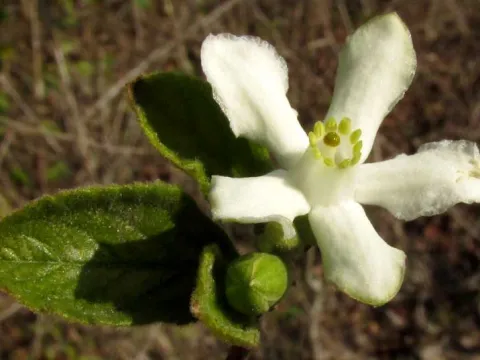
Samyda is a genus of evergreen shrubs and small trees belonging to the Salicaceae family. These plants are primarily native to the tropical regions of the Americas and the Caribbean, where they typically thrive as part of the forest understory.
What the section contains


Samyda
Cultivating Samyda requires a tropical climate with consistent temperatures. They are highly sensitive to frost, making them suitable for indoor cultivation in temperate regions, where they must be kept in greenhouses or controlled environments during colder months.
The ideal growing medium for Samyda is a well-draining, nutrient-rich potting mix. High organic matter content is beneficial, but the drainage must be excellent to prevent root asphyxiation, which is a common cause of failure in container gardening.
In terms of lighting, Samyda prefers bright, indirect sunlight. Direct midday sun can scorch the foliage, while deep shade will result in thin, elongated growth and a lack of overall plant vigor, reducing its decorative potential.
Watering should be consistent throughout the growing season, keeping the soil evenly moist but never waterlogged. During the dormant period, the frequency of irrigation should be reduced to allow the soil to partially dry out, preventing root rot.
Common pests affecting Samyda include spider mites, which thrive in low-humidity environments, and mealybugs that congregate on the stems and leaf axils. Regular inspection is crucial to prevent infestations from spreading.
Fungal issues, such as leaf spot diseases, can occur if the airflow around the plant is insufficient or if the foliage remains wet for extended periods in cooler, damp conditions.
Effective pest management involves using systemic insecticides and increasing ambient humidity through regular misting. It is also recommended to isolate new plants for a short period before introducing them to your main collection.
Maintaining good hygiene in the growing space is essential. Regularly removing fallen leaves and pruning dead branches minimizes the risk of pathogens finding a site for colonization on the plant.
By ensuring proper ventilation and avoiding overhead irrigation, you can significantly reduce the risk of diseases. If fungal symptoms appear, fungicidal treatment combined with better environmental control is usually successful.