
Scolopia acuminata
Scolopia acuminata
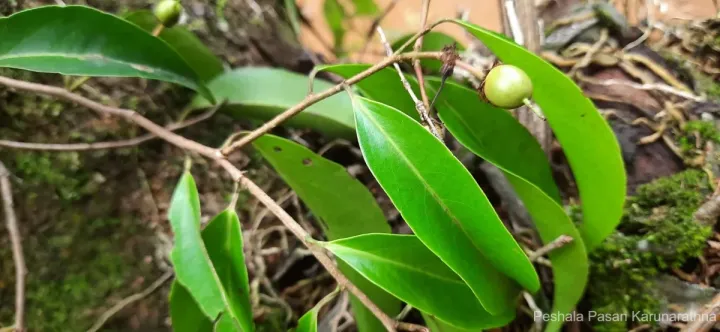
Description
Growing requirements
Scolopia acuminata is an evergreen woody species belonging to the Salicaceae family. Originally native to the tropical forests of Africa and Madagascar, this species is valued for its hardiness and adaptation to humid, warm climates.
The cultivation of this crop requires specific environmental conditions, primarily characterized by constant warmth and high ambient humidity. It is poorly suited for temperate regions with cold winters, as the tree exhibits high sensitivity to frost and sudden temperature drops.
Regarding soil requirements, the species thrives in well-drained, fertile substrates with a slightly acidic or neutral pH level. Effective soil management should focus on preventing waterlogging, which is a major physiological stress factor for this plant.
Agrotechnical practices involve careful management of spacing to ensure adequate aeration and light penetration. Given the presence of sharp, woody spines on its branches, the plant is frequently utilized in agriculture for natural fencing and boundary markers, requiring minimal pruning compared to softer species.
The economic significance of Scolopia acuminata lies in its robust timber and ecological value. The wood is traditionally used for construction and high-quality handles due to its structural strength, while the tree also supports local biodiversity in managed silvicultural systems.
Main diseases and pests
Typical threats include fungal pathogens such as leaf spot and root rot, often triggered by excessive rainfall combined with poor soil drainage. Maintaining dry conditions around the collar of the tree is essential to minimize these risks.
In terms of entomological pests, aphids and scale insects are the most common concerns. Integrated pest management, focusing on biological controls and manual inspection of the foliage, is the most effective approach to maintaining healthy crop yields.