
Scolopia chinensis
Scolopia chinensis
Description
Growing requirements
Scolopia chinensis is an evergreen shrub or small tree belonging to the Salicaceae family. Native to the subtropical and tropical regions of East Asia, it thrives in warm, humid climates and is widely recognized for its high ornamental value in landscaping.
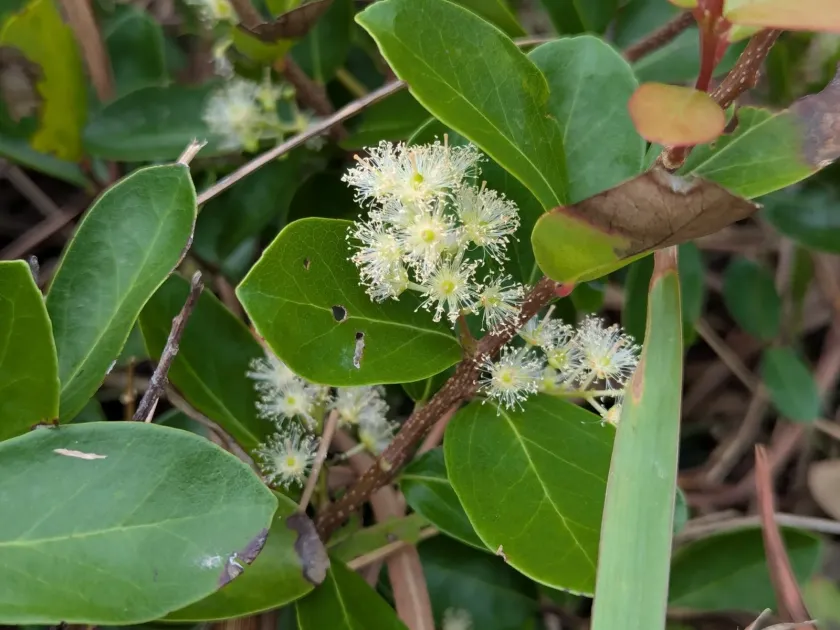
Botanically, the plant is characterized by dense, glossy, leather-like leaves and a robust, woody stem structure. It is known for its ability to withstand regular pruning, making it an excellent candidate for topiary work or manicured hedges.
Regarding soil and site requirements, this plant prefers well-draining, nutrient-rich soils with a slightly acidic to neutral pH level. It performs best in locations where it can receive bright, indirect light, as direct scorching sun can damage its delicate foliage.
The climate requirements for this species are strict, as it is not frost-tolerant. In temperate zones, it is typically grown in greenhouses or as a potted plant that requires protection from freezing temperatures during the winter months.
Its primary хозяйственное (economic/practical) utility is in aesthetic landscape design. The plant is valued for its year-round evergreen foliage and its flexibility in being sculpted into various shapes, which adds structure and sophistication to gardens.
Main diseases and pests
Like many evergreen shrubs, Scolopia chinensis is susceptible to fungal diseases, particularly when kept in conditions with poor air circulation or excessive soil moisture. Root rot is a common issue if the drainage is insufficient.
Pests such as scale insects and mealybugs are the most significant threats to its health. These insects attach themselves to the stems and undersides of leaves, sucking out sap and weakening the plant's structural integrity.
Spider mites can also become a problem, particularly in environments with very low humidity. Frequent misting and maintaining optimal environmental conditions are key strategies for deterring these pests from infesting the plant.
To prevent disease, it is essential to keep the area around the plant clean and free of fallen debris. Pruning should be performed with sanitized tools to minimize the risk of transferring pathogens from one branch to another.
A consistent nutritional program is recommended to maintain the plant's vigor. During the active growing season, applying a balanced liquid fertilizer helps the plant sustain its foliage growth and improves its overall resilience against potential attacks.