
Scolopia crassipes
Scolopia crassipes
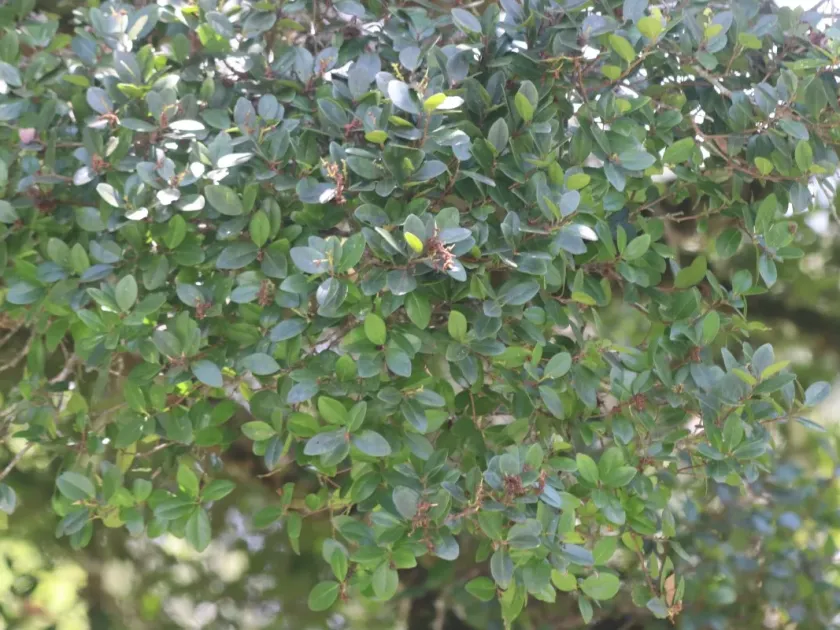
Description
Growing requirements
Scolopia crassipes is a significant botanical species belonging to the Salicaceae family. It is recognized as a hardy, evergreen woody plant that exhibits strong adaptability to its native tropical and subtropical environmental conditions.
The plant originates from Southeast Asia, where it thrives in moist, high-humidity ecosystems. Its botanical architecture is characterized by dense foliage and strong, well-structured stems, which make it resilient against environmental stresses.
Cultivation requires well-draining, nutrient-rich soil that mimics the forest floor environment. Ensuring proper soil aeration is critical, as the roots are sensitive to waterlogging, which can easily impair the overall vitality of the plant.
Climatic requirements are focused on warm, stable temperatures. While the species is quite robust, it performs best in environments where it receives consistent sunlight balanced with occasional shade for juvenile specimens.
Agricultural use is primarily linked to ornamental landscaping and the production of durable timber. Its natural density and growth habit make it an excellent choice for windbreaks and managed hedging in tropical regions.
Main diseases and pests
The plant faces various threats from pathogenic fungi, particularly during periods of high humidity and poor air circulation. Regular pruning is essential to maintain airflow within the canopy and reduce the risk of disease spread.
Common pests include scale insects and spider mites, which can cause significant stress to the foliage if left unchecked. Integrated pest management strategies are recommended to keep populations at bay without disrupting local biodiversity.
Root rot remains a primary threat if drainage systems are inadequate. Monitoring soil moisture levels is the most effective way to prevent the establishment of harmful pathogens that target the root system.
Nutrient deficiencies can lead to yellowing leaves, which often signify a lack of iron or manganese in the soil. Balanced fertilization, applied during the peak growth months, is vital for maintaining deep green coloration.
Mechanical damage to the bark must be avoided at all costs, as it creates an entry point for wood-boring insects. Protecting the trunk from equipment impacts is a standard but essential part of maintaining the health of the plantation.