
Scolopia heterophylla
Scolopia heterophylla
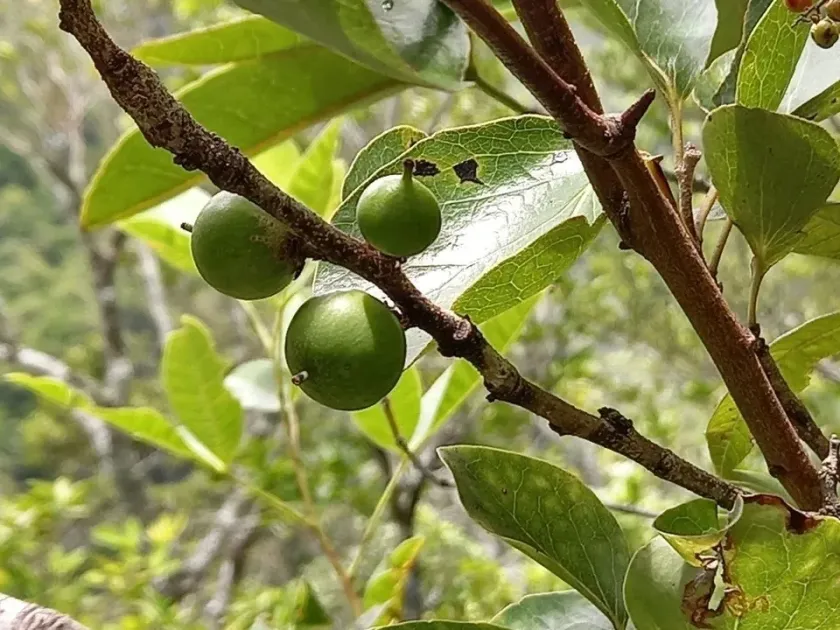
Description
Growing requirements
Scolopia heterophylla is a representative of the Salicaceae family. This woody plant is native to the tropical and subtropical regions of Africa, where it has historically played a significant role in local ecosystems and forestry.
The crop thrives in sunny, well-lit environments. It requires significant warmth to maintain its growth rates and overall health. Exposure to direct sunlight is generally beneficial for the development of the crown and trunk quality.
Soil requirements for this species include well-draining textures, such as sandy loams or enriched clay soils. Proper aeration of the root system is critical to preventing fungal complications and ensuring consistent growth.
Climate adaptability of the species is focused on tropical environments. It does not tolerate prolonged frost, making it suitable only for specific latitudes or controlled greenhouse conditions in temperate regions.
The agricultural maintenance of these trees involves consistent monitoring for soil moisture and structural integrity. Periodic fertilization with micronutrients can significantly enhance the plant's resilience against environmental stress factors.
Main diseases and pests
Common threats to Scolopia heterophylla include various foliage-eating insects and wood-boring pests that can damage the structural integrity of the timber. Integrated pest management strategies are recommended to mitigate these risks.
Fungal diseases related to high humidity and poor soil drainage are also significant risks. Ensuring proper spacing between trees during planting significantly improves air circulation, which helps reduce the incidence of pathogens.
Root rot caused by stagnant water is a major physiological threat. Proactive soil testing and implementing efficient drainage systems are the primary ways to prevent long-term damage to the root system.
In certain regions, epiphytic plants or parasitic vines may compete with younger trees for resources. Regular field inspections and manual removal of such vegetation are necessary parts of standard nursery management.
Monitoring the nutritional status of the soil is essential, as nutrient deficiencies can weaken the trees, making them more susceptible to opportunistic diseases and pest infestations throughout their development cycle.
Harvesting
The primary economic use of this plant is in the timber industry. The wood is valued for its durability and aesthetic properties, being used in the manufacture of high-quality furniture, flooring, and interior construction components.
Harvesting timber requires careful planning to ensure long-term sustainability. Trees are usually felled once they reach an optimal diameter, ensuring that the volume of wood produced meets the economic targets of the operation.
Seeds are harvested manually when the fruit ripens, typically denoted by specific changes in texture and color. Post-harvest, the seeds must be carefully processed and stored in cool, dry conditions to maintain viability.
In agricultural settings where the tree is grown for landscape purposes, harvesting is nonexistent, but pruning is a crucial operation. Regular shaping ensures healthy branch distribution and prevents the spread of deadwood.
Overall, the utilization of Scolopia heterophylla represents a balance between forestry and conservation. By adhering to sustainable harvesting practices, growers can ensure the continued utility and vitality of these plantations.