
Scolopia oldhamii
Scolopia oldhamii
Description
Growing requirements
Scolopia oldhamii is an evergreen woody plant belonging to the Salicaceae family. Naturally distributed across parts of East Asia, including Taiwan and Japan, this plant is well-regarded for its robust structure and dense foliage. It serves as a vital component in its native subtropical forest ecosystems.
Cultivation of this species requires well-draining, nutrient-rich soil to ensure optimal health. It thrives best in warm, humid climates, showing resilience to varied light conditions ranging from full sun to partial shade. Consistent moisture is necessary, though established plants exhibit moderate drought tolerance once acclimated to their environment.
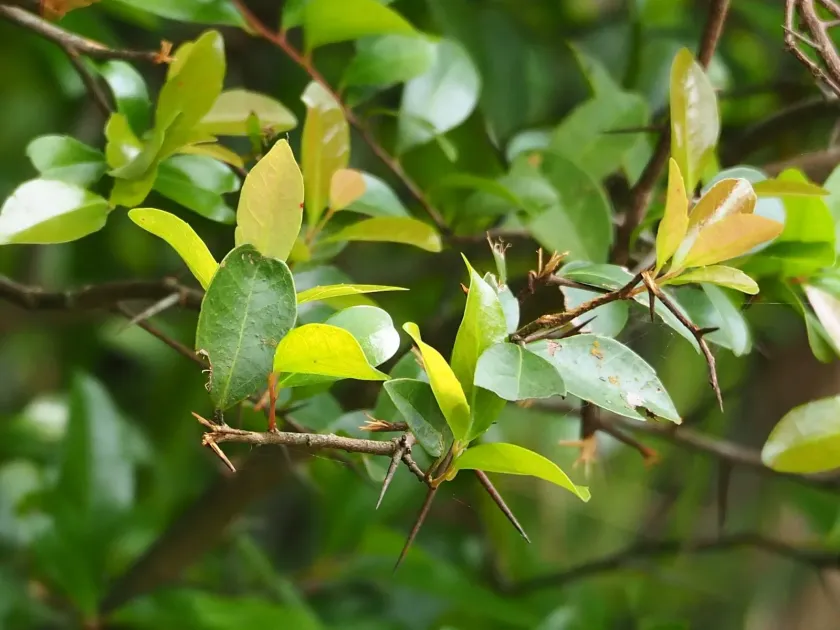
Botanically, the species is defined by its glossy, leathery leaves and a woody habit that can be pruned into various shapes. Its branches often feature spines, which are a characteristic survival adaptation. During the reproductive phase, the plant produces small, inconspicuous flowers followed by berries that contain seeds for propagation.
In terms of agricultural and horticultural management, pruning is essential to maintain the desired size and shape. Regular applications of organic fertilizers during the active growing season support vigorous growth. It is often utilized in landscape architecture for creating hedge rows or privacy screens due to its density.
The economic value of this plant is primarily rooted in its ornamental use. By providing reliable green cover throughout the year, it is a preferred choice for large-scale landscaping projects. Careful selection of planting sites is recommended to avoid heavy frost, which may damage young specimens.
Main diseases and pests
The plant is generally hardy, but it can be susceptible to fungal leaf spots if airflow is restricted in overly damp conditions. Promoting a well-ventilated canopy through thinning cuts is the best management strategy to prevent fungal outbreaks.
Common pests include aphids and scale insects that feed on the sap of young stems. Integrated pest management, involving the use of horticultural oils or appropriate insecticides, is recommended to keep infestations at a manageable level without harming the plant's structural integrity.