
Scolopia rigida
Scolopia rigida
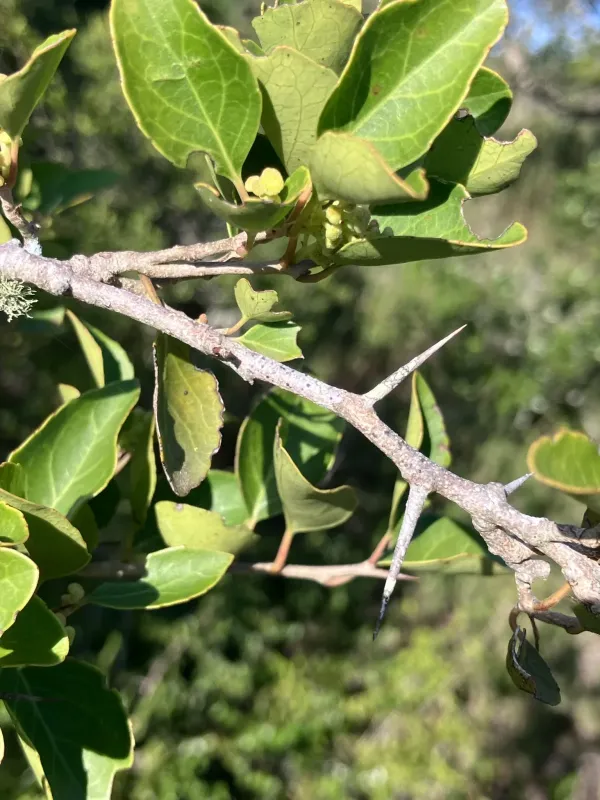
Description
Growing requirements
Scolopia rigida is an arboreal species belonging to the Salicaceae family. It is recognized for its structural characteristics and is primarily found in tropical and subtropical regions across the globe.
The species requires a climate that provides consistent warmth throughout the year, as it lacks significant frost resistance. Adequate sunlight is crucial for proper development and the preservation of its foliage density.
The soil for this crop must be well-drained, preventing waterlogging which is a primary stress factor for the root system. Rich, slightly acidic to neutral soil profiles support the best growth rates.
Adequate moisture levels are necessary; however, a cyclical drying of the topsoil layer is recommended to promote root health and prevent anaerobic conditions in the substrate.
In various agricultural and horticultural contexts, Scolopia rigida is managed for its ornamental value and its ability to withstand pruning, making it a candidate for hedge forming.
Main diseases and pests
Primary threats to Scolopia rigida include root rot pathogens, which are typically triggered by improper irrigation management or poor soil drainage characteristics.
Insect pests, including spider mites and various scale insects, can negatively impact plant health by feeding on the sap, causing chlorosis and leaf drop.
Fungal leaf spot diseases may appear during periods of high humidity, necessitating improved air circulation and targeted fungicide applications when infections are detected.
Effective management includes regular monitoring for early signs of distress and the application of integrated pest management strategies to keep populations below economic damage thresholds.
Maintaining strong, vigorous growth through balanced fertilization and proper site selection remains the most effective defense against both biological and environmental threats.