
Yunnan pine
Pinus yunnanensis
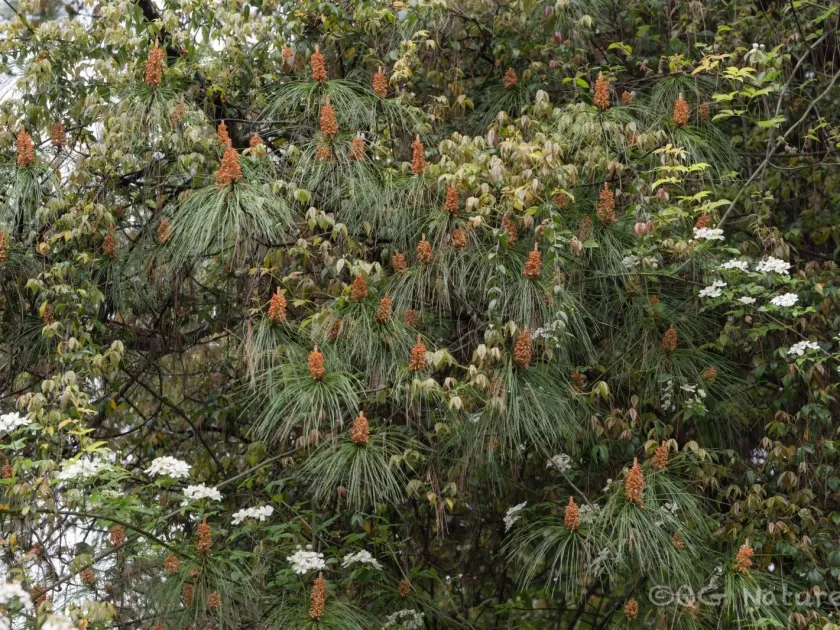
Description
Sowing dates
The seeding process for Pinus yunnanensis typically begins in spring, once soil temperatures reach a stable range of 10–12 degrees Celsius. Seeds generally require stratification to break dormancy and ensure uniform germination across the nursery bed.
In forest nurseries, seeds are sown at a shallow depth of 1 to 2 centimeters into well-drained substrates. Proper spacing is essential to prevent overcrowding and ensure adequate airflow for the emerging seedlings.
Transplanting seedlings to their final location is most successful during the early growing season. This timing allows the root system to establish itself before the onset of extreme seasonal temperatures or potential droughts.
For young plantations, mulching the base is recommended to maintain soil moisture and suppress competitive weed growth during the first two critical years of development.
As a member of the Pinaceae family, the Yunnan pine is a fast-growing species that plays a vital role in reforestation efforts, particularly in mountain ecosystems where soil stabilization is necessary.
Growing requirements
This species thrives in well-drained sandy or loamy soils. It has a low tolerance for waterlogged conditions, making effective drainage a priority when selecting sites for new forest plantations.
The Yunnan pine is highly photophilous and requires full sun exposure throughout its lifespan. Shaded environments inhibit the development of dense needles and can cause structural irregularities in the tree's trunk.
Climatically, it is adapted to the mountainous regions of China, displaying remarkable resilience to moderate droughts. It prefers regions with stable weather patterns but requires consistent environmental conditions during its youth.
Mycorrhizal association is critical for the success of this species. When introducing the tree to non-native or degraded soils, inoculation with specific fungi is often necessary to support optimal nutrient uptake.
While the tree is hardy, protection from late spring frost is beneficial for nursery-grown saplings. Ensuring the site has good air drainage helps mitigate the risk of damage during temperature dips.
Main diseases and pests
Fungal infections, such as needle cast diseases (Lophodermium spp.), are primary threats that often manifest in plantations with high humidity and poor crown ventilation, leading to premature needle drop.
Various insect pests, particularly pine sawflies and bark beetles, represent significant challenges. These organisms can weaken mature trees and severely hamper the growth rates of younger stands.
Management of pest outbreaks relies heavily on sanitation. Removing infested trees promptly and maintaining high levels of stand vigor through silvicultural thinning are effective ways to prevent major infestations.
Fungicidal applications during the early stages of the growing season are standard in nursery settings to protect vulnerable tissue from moisture-borne pathogens that thrive in humid environments.
Monitoring for signs of stress, such as yellowing needles or resin exudation, is vital for foresters to implement timely interventions and preserve the health of the entire forest stand.