
Jabuticaba
Plinia cauliflora
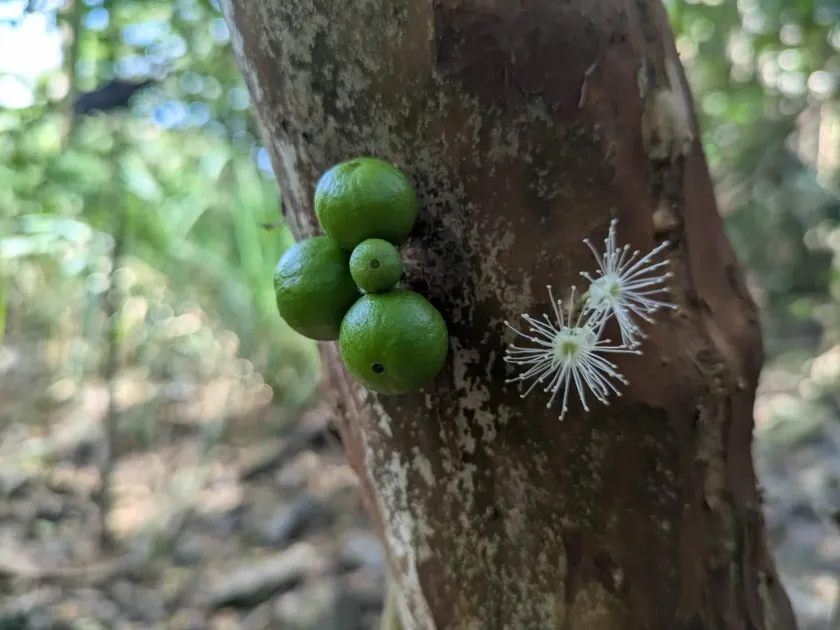
Description
Growing requirements
The Jabuticaba (Plinia cauliflora) is an evergreen tree belonging to the Myrtaceae family. It is widely recognized for its unique trait of cauliflory, where flowers and fruits develop directly on the main trunk and branches.
Native to South Brazil, this plant thrives in tropical and subtropical climates. It is highly sensitive to frost, requiring stable temperatures between 20 and 30 degrees Celsius to maintain active and healthy growth cycles.
The species prefers deep, fertile, and slightly acidic soils with excellent drainage. While it appreciates high humidity, waterlogging must be avoided at all costs, as the roots are susceptible to rotting in poorly aerated environments.
Cultivation practices involve regular irrigation and the application of balanced fertilizers during the growing season. In controlled environments or greenhouses, it is essential to ensure high light levels and efficient air circulation.
Economically, the jabuticaba is valued for its fruits, which are consumed fresh or processed into wines, jams, and juices. Its unique morphology also makes it a highly sought-after plant for ornamental purposes in tropical gardens.
Main diseases and pests
Fungal diseases, such as rust, represent a significant threat to jabuticaba orchards, especially when humidity levels are excessive. Preventive measures include regular thinning of the canopy to ensure adequate airflow.
Insect pests, particularly scale insects and mealybugs, are common invaders. These pests damage young growth by sucking sap, which weakens the tree and can lead to a drastic reduction in fruit production if left unmanaged.
Integrated Pest Management (IPM) strategies are recommended for control, focusing on biological solutions first. Regular scouting and immediate intervention help prevent the spread of infestations across the planting area.
Nutrient deficiencies often manifest as chlorosis on the leaves, impacting the plant's photosynthetic capacity. Correcting soil pH and applying chelated iron supplements are standard agronomical responses to these symptoms.
Maintaining tree vigor through balanced nutrition and sanitation is the best defense against pathogens. Strong, healthy trees demonstrate higher natural resistance to common tropical diseases and environmental stress.
Harvesting
Harvesting jabuticaba requires patience and timing, as the fruits reach maturity within a few weeks after flowering. The skin turns a deep, dark purple or black color when the fruit is ready for consumption.
Manual picking is the only viable method for harvesting because of the fruit's position directly on the trunk. Harvesters must exercise extreme caution to avoid damaging the delicate bark, which is essential for future yields.
Due to the high sugar content and thin skin, jabuticaba fruits have a very short post-harvest shelf life. Rapid processing or distribution is necessary within 48 hours to ensure the product remains at its peak quality.
In optimal conditions, a healthy jabuticaba tree may produce multiple harvests per year. This high productivity places significant demand on soil nutrients, requiring consistent fertilization programs between fruiting cycles.
Quality control during harvest involves selecting only fully ripe fruits. The texture and color are the primary indicators for commercial grading, ensuring that only the highest quality berries reach the market.