
Peruvian Jaboticaba
Plinia peruviana
Description
Growing requirements
Plinia peruviana, commonly known as the Peruvian Jaboticaba, is a slow-growing evergreen tree belonging to the Myrtaceae family. It is highly valued for its dense foliage and unique cauliflorous fruiting habit.
Native to South America, specifically the tropical regions of Peru and surrounding countries, it thrives in warm, humid environments. It is strictly a tropical plant that does not tolerate frost or cold temperatures.
The ideal soil for this species is rich, well-draining, and slightly acidic. It is sensitive to alkaline soil conditions, which can lead to chlorosis and stunted development of the tree.
Climate requirements include high atmospheric humidity and consistent temperatures. Providing a sheltered location is essential to prevent wind damage and to maintain the humidity levels required for proper transpiration.
Regular irrigation is vital during the growing season. While established trees are somewhat resilient, young saplings need careful monitoring to avoid drying out or excessive waterlogging.
Yield
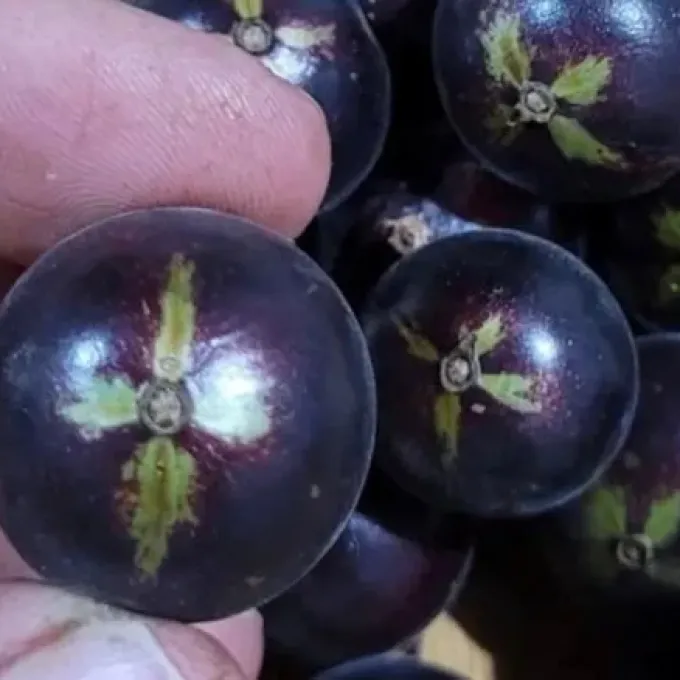
The fruit of Plinia peruviana is a globular, flavorful berry that is primarily consumed fresh. It is also used in artisanal food production for juices and jams.
Trees typically reach reproductive maturity after several years of growth. Yield is highly dependent on light exposure, with trees in full sun positions generally producing more abundant crops.
Harvesting is performed by hand. Since the fruit is highly perishable, immediate consumption or quick processing is necessary to preserve the flavor profile and nutritional quality.
Though not currently a major commercial crop, the species has significant potential for niche markets interested in exotic, nutrient-dense superfoods from the Myrtaceae family.
The tree's aesthetic appeal makes it a popular choice for conservatory settings and specialized fruit tree collections worldwide.
Main diseases and pests
Pests such as scale insects, aphids, and mites are common challenges. These pests often congregate on the undersides of leaves, requiring vigilant monitoring and timely intervention.
Fungal pathogens can affect the foliage if ventilation is inadequate. Rust and leaf spot diseases are prevalent in regions where humidity is consistently high with limited air circulation.
Management practices focus on integrated pest management (IPM), including the use of horticultural oils and soaps, which are effective against soft-bodied pests without damaging the tree.
Root rot is the most common physiological disorder caused by improper irrigation. Ensuring soil porosity is the primary preventative measure against this fatal condition.
Regular pruning is recommended to improve air movement through the canopy, significantly reducing the probability of fungal outbreaks and maintaining a healthy tree structure.