
Plinia edulis
Plinia edulis
Description
Sowing dates
Propagation of Plinia edulis is primarily achieved through seeds. Because the seeds lose their viability quickly once dried, they should be sown immediately after being extracted from the fruit to ensure high germination rates.
Use a light, well-draining soil medium rich in organic matter for sowing. The ideal temperature for germination is between +24°C and +28°C, while maintaining consistent soil moisture levels throughout the process.
For those seeking to maintain specific traits, vegetative propagation techniques like air layering or grafting can be employed, although they are more labor-intensive than seed propagation.
Seedlings are sensitive to direct sunlight during their early growth stages and should be kept in a partially shaded environment. Transplanting to a permanent location should only occur once the plant has developed a strong, lignified stem.
In orchards, spacing must be calculated to allow sufficient airflow and sunlight penetration to the lower branches, which is crucial for preventing humidity-related issues in the tree canopy.
Growing requirements
This species belongs to the Myrtaceae family and is well-adapted to tropical and subtropical climates. It thrives in high-humidity environments and can tolerate occasional light frosts once the tree is mature.
Rich, deep, and well-draining soils are essential for healthy growth. The plant prefers a neutral to slightly acidic pH level and requires protection from waterlogging to prevent root system diseases.
Optimal growth occurs at temperatures ranging from +20°C to +30°C. Regular irrigation is necessary during dry spells to prevent drought stress, which can lead to leaf drop and reduced fruit quality.
While the tree enjoys full sun, young specimens often benefit from dappled shade. As they mature, their canopy density increases, helping to regulate the moisture levels in the soil underneath.
Routine fertilization with a balanced mix of macro and micronutrients, particularly during the flowering and fruit-setting phases, is vital for ensuring high yields and vigorous plant development.
Yield
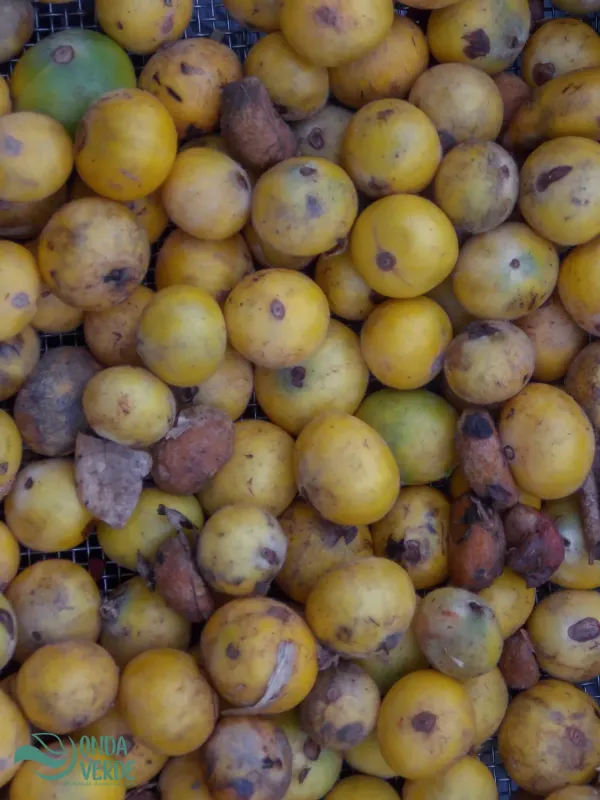
The fruit of Plinia edulis consists of globose berries that transition from green to yellow or orange upon ripening. The pulp is succulent, offering a pleasant sweet-and-sour flavor profile.
Yield capacity per tree increases with age and the quality of the agricultural practices applied. The fruit develops directly on the trunk and thick branches, a trait common among many members of the Myrtaceae family.
The harvest period is often staggered due to uneven ripening across the canopy. This allows for a steady supply of fruit over a period of several weeks, which is advantageous for small-scale growers.
Given the fruit's short shelf life and thin skin, it is best marketed locally. It is highly valued for fresh consumption, as well as for making jellies, preserves, and juices.
To maximize yields, it is recommended to maintain a clean environment around the base of the trees to ensure the health of the root system and to prevent the spread of soil-borne pathogens.
Main diseases and pests
Common pests include scale insects and mealybugs, which tend to infest tender young shoots. Regular monitoring of the foliage and stems is critical to identify early stages of infestation.
Fungal infections, particularly anthracnose, can affect leaves and fruits if the environment remains excessively humid with poor air circulation. Proper pruning is essential to maintain tree health.
Nematodes may pose a threat in certain soils, underscoring the importance of selecting healthy planting sites and perhaps utilizing mulch or cover crops to improve soil biological health.
Biological control methods, such as the application of neem oil or beneficial insect introductions, are highly effective and preferred to keep the production organic and safe for consumption.
Strategic pruning and canopy management are the best preventative measures against most threats, ensuring that sunlight and air reach all parts of the tree to inhibit fungal growth.
Harvesting
Harvesting should be done by hand with great care, as the thin skin of the fruit is susceptible to mechanical damage. It is recommended to perform harvesting in the early morning hours.
Ripeness is indicated by the shift in skin color and slight softness. Monitoring the tree daily during the peak season is necessary to ensure fruit is harvested before it becomes overripe or falls.
Once harvested, fruit should be sorted to remove any damaged items. Careful handling is mandatory to prevent bruising, which would rapidly accelerate the decomposition process.
Transportation should be carried out using cushioned, ventilated crates. Avoiding high-pressure stacking is key to maintaining the fruit's integrity during transport to the point of sale.
Post-harvest sanitation involves clearing the orchard floor of any debris and fallen fruits to prevent the attraction of pests and the development of molds that could impact future yields.