
Plinia grandifolia
Plinia grandifolia
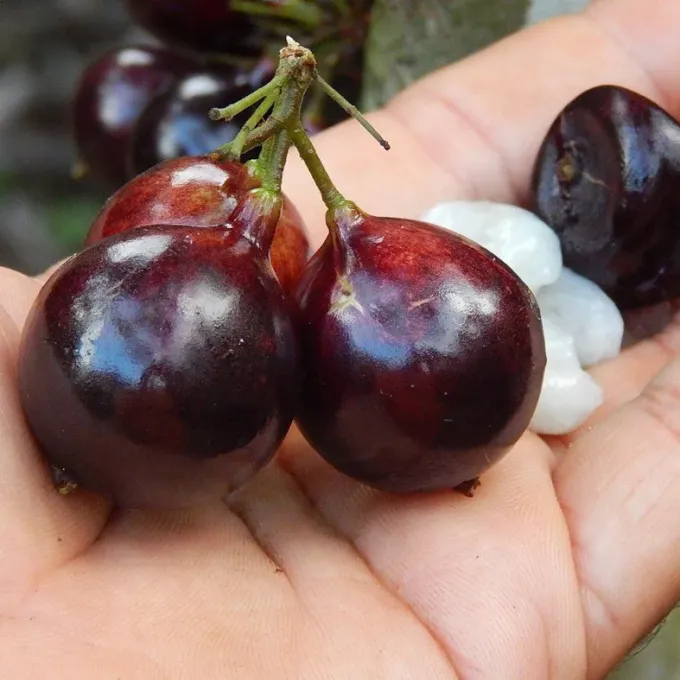
Description
Growing requirements
Plinia grandifolia is a remarkable evergreen fruit-bearing tree belonging to the Myrtaceae family, native to the lush tropical rainforests of South America.
This species thrives in humid tropical climates where temperatures remain consistently warm throughout the year, as it lacks tolerance for frost and freezing weather.
Cultivation requires deep, well-draining, and nutrient-rich soils that maintain moisture without becoming waterlogged, which is vital for the health of the root system.
The tree prefers bright, sunny locations, though young specimens may benefit from partial shade to protect them from excessive heat and intense direct sunlight.
Proper care includes regular fertilization with organic matter and a consistent watering schedule to ensure optimal development and sustained growth during the vegetative phase.
Yield
The plant exhibits cauliflory, a distinctive botanical feature where both the flowers and the resulting fruits grow directly from the trunk and major branches of the tree.
The berries are highly prized for their succulent texture and flavor, contributing to the tree's value as a significant crop in tropical agroforestry and fruit production.
Yield capacity improves with the maturity of the tree, with well-cared-for plants providing multiple harvest cycles under favorable environmental conditions.
Post-harvest usage is diverse, ranging from fresh market sales and home consumption to the processing of fruit pulps for artisanal drinks, jams, and tropical desserts.
Due to the short shelf life of the fruit, efficiency in harvesting and local processing is key to maximizing the economic return for small-scale tropical fruit producers.
Main diseases and pests
Common pests affecting Plinia grandifolia include scale insects and mealybugs, which settle on leaves and tender shoots, draining the plant of its essential nutrients.
Fungal diseases, often triggered by excessive moisture or poor air circulation within the canopy, can lead to foliage blight and fruit rot, impacting overall plant health.
Root rot remains one of the primary threats associated with poor soil management, specifically when drainage is inadequate and the roots are subjected to prolonged oxygen deprivation.
Integrated pest management strategies, such as physical removal of pests and the application of biological treatments, are recommended to maintain plant vigor.
Maintaining proper tree spacing and regular pruning of dead or diseased branches helps improve airflow, significantly reducing the pressure from most fungal and insect threats.