
Plinia pinnata
Plinia pinnata
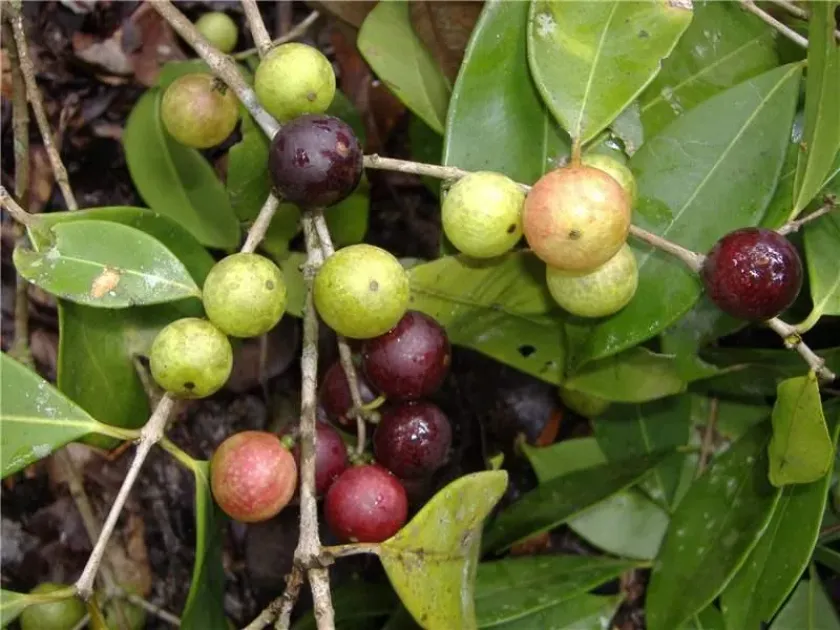
Description
Growing requirements
Plinia pinnata is a distinctive tropical fruit-bearing tree belonging to the Myrtaceae family, renowned for its botanical affinity with the jaboticaba.
Originating in the humid rainforests of South America, this species thrives in environments characterized by high humidity and consistent tropical temperatures.
The plant requires deep, fertile, and well-drained soils rich in organic matter to support its slow-growing root system effectively.
Ideal cultivation conditions involve a sheltered location that provides protection from strong winds while ensuring adequate sunlight for healthy foliage development.
Proper water management is essential; the soil should remain consistently moist, yet the gardener must prevent waterlogging to avoid root rot issues.
Yield
The fruit of Plinia pinnata is highly valued for its sweet, pleasant flavor, often consumed fresh or processed into artisanal beverages and gourmet desserts.
Yield capacity is influenced by the tree's maturity and the specific environmental conditions provided, with peak productivity occurring after several years of growth.
The plant exhibits cauliflory, a fascinating adaptation where flowers and fruit emerge directly from the main trunk and primary branches.
Economically, the crop currently serves niche local markets, though it remains a subject of great interest for exotic fruit enthusiasts and botanical research.
Efforts in cultivation research aim to optimize nutritional output and explore its viability in controlled environment agriculture systems.
Main diseases and pests
The most common threats include fungal pathogens that proliferate in high-humidity environments with insufficient air circulation within the canopy.
Common pests such as scale insects and mealybugs can negatively impact young leaf tissue and overall tree vigor if left unchecked.
Regular sanitation, including the pruning of dead or diseased limbs, is a crucial practice to maintain the health and structural integrity of the tree.
Monitoring for signs of nutrient deficiency is also recommended to ensure the plant remains robust enough to resist environmental stresses and pests.
Integrated pest management strategies focusing on organic controls are preferred to protect the quality of the fruit produced.
Harvesting
Harvesting Plinia pinnata is a manual process, as the delicate nature of the skin requires gentle handling to prevent bruising and damage.
Fruit readiness is indicated by a characteristic change in skin color and a softening of the flesh, signifying peak maturity and sweetness.
Given its short post-harvest shelf life, immediate consumption or refrigerated storage is advised to maintain optimal freshness and flavor profile.
The harvesting sequence often spans several weeks due to the tree's habit of ripening fruit in clusters over an extended period.
Careful attention during the harvest helps protect the tree bark, ensuring the continued health of the fruiting sites for future seasons.