
Pericalymma ellipticum
Pericalymma ellipticum
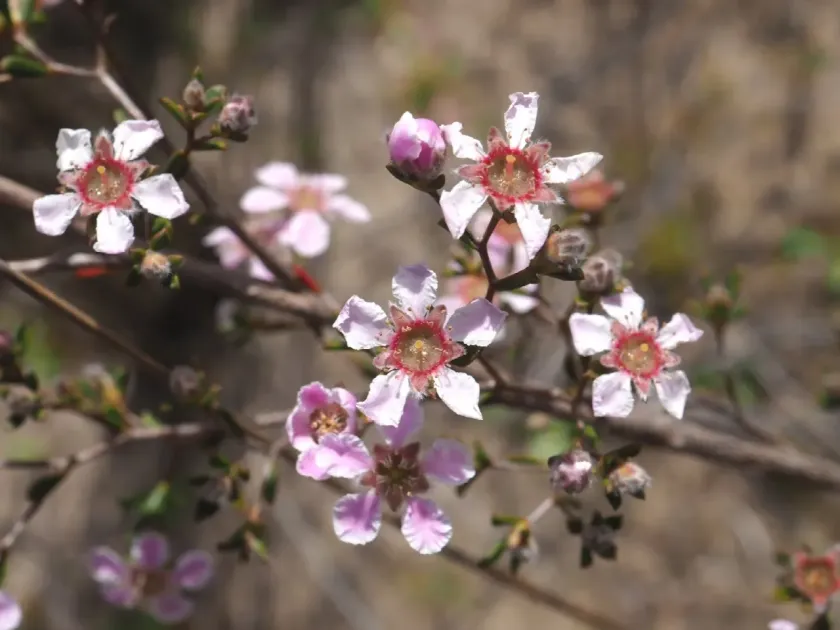
Description
Growing requirements
Pericalymma ellipticum is a perennial shrub belonging to the Myrtaceae family. Native to the southwestern regions of Western Australia, it is well-adapted to heathland ecosystems and thrives in sandy, nutrient-poor soils that are characteristic of its natural habitat.
In terms of climate requirements, this species prefers sunny environments with consistent daylight. It is intolerant of frost and significant temperature fluctuations, which dictates that it is primarily grown in temperate greenhouse settings or as a potted specimen in cooler climates.
The ideal growing medium for this culture is a well-draining, acidic substrate. Because the root system is sensitive to waterlogging, careful monitoring of irrigation frequency is essential to ensure the plant receives moisture without risking root rot.
Botanically, the plant is recognized by its elliptic, opposite leaves and a profuse flowering habit that creates a striking visual display. It represents a unique structural addition to gardens, often used by enthusiasts of Australian native flora for landscaping purposes.
Agricultural use of Pericalymma ellipticum is predominantly ornamental. Its compact growth form and aesthetic appeal make it a desirable subject for botanical collections, conservatories, and specialized horticultural projects focused on native biodiversity.
Main diseases and pests
The most common disease affecting this species is root rot, typically caused by excess water retention in the soil profile. Proper drainage and soil aeration are the most critical preventative measures against pathogen development in the rhizosphere.
Pests that frequently target this shrub include scale insects and spider mites, which can thrive in controlled environments with low airflow. Regular monitoring of the foliage and stems is necessary to intercept infestations early and apply appropriate biological or chemical controls.
Iron deficiency, resulting in interveinal chlorosis, is another concern if the soil pH is not correctly maintained. Ensuring that the substrate remains within the optimal acidic range is key to maintaining healthy foliage and robust plant development.
Fungal leaf spot diseases may appear if plants are overcrowded or kept in stagnant air. Improving ventilation within the growing environment significantly reduces the risk of these pathogens and promotes a healthier canopy.
To ensure long-term health, growers should practice integrated pest management and avoid the use of harsh fertilizers that may disrupt the sensitive balance of the mycorrhizal associations often required by native Australian plants.