
Myrtle
Myrtus
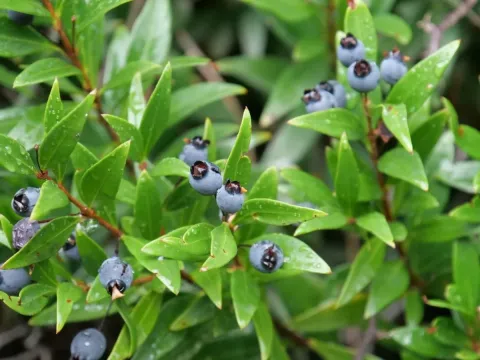
Myrtle (Myrtus communis) is a classic evergreen shrub belonging to the Myrtaceae family. Originally from the Mediterranean region, it is widely recognized for its aromatic foliage and culinary or medicinal potential.
What the section contains

Myrtle
The plant thrives in full sun but requires protection during intense summer heat. It prefers well-drained, slightly acidic to neutral soils; waterlogging must be avoided at all costs to ensure healthy root development.
Climate requirements include mild winters and warm, humid summers. If grown in cooler climates, commercial production is typically conducted in greenhouses or controlled environments to prevent frost damage.
Agricultural management requires consistent irrigation, ideally through drip systems that provide moisture without saturating the soil surface. Pruning is essential to maintain plant shape and stimulate foliage production.
Myrtle is commercially significant for its essential oil, which contains cineole and pinene. It is extensively utilized in the cosmetics industry, traditional medicine, and as an ornamental species in landscape architecture.
Scale insects are among the most common pests affecting myrtle plantations. They form hard protective shells on branches, weakening the plant by draining essential sap and nutrients.
Spider mites are a significant threat, especially in hot and dry climates. They cause stippling on the leaves and can lead to premature defoliation if left untreated.
Root rot, typically caused by Phytophthora or Pythium species, occurs when drainage is inadequate. It is the most lethal condition for myrtle, often resulting in sudden plant decline.
Powdery mildew can infect leaves when air circulation is poor and humidity levels are too high. Regular spacing and pruning help minimize the spread of fungal spores among plants.
Integrated Pest Management (IPM) is recommended for commercial growers, utilizing beneficial insects to control pest populations while minimizing the use of synthetic chemical pesticides.