
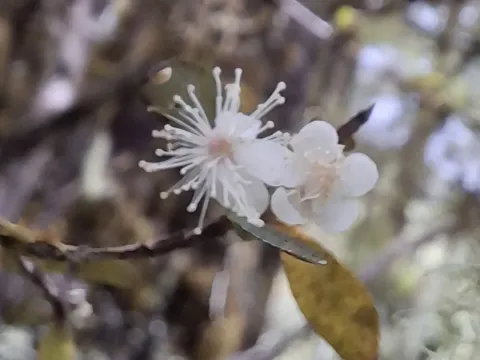
Neomyrtus
Neomyrtus
Neomyrtus is a genus of evergreen shrubs belonging to the Myrtaceae family. In nature, it is represented by a single species, Neomyrtus pedunculata, which is native to the forests of New Zealand.
What the section contains

Neomyrtus
This crop prefers a mild, humid oceanic climate and does not tolerate extreme temperature fluctuations or severe frosts. For successful development, the plant requires high air humidity and protection from direct midday sunlight.
Soil preferences include well-drained, slightly acidic or neutral substrates rich in organic matter. Stagnant water around the roots is fatal to Neomyrtus, therefore a high-quality drainage layer is critical in agrotechnical practices.
In cultivation, Neomyrtus is valued as an ornamental foliage plant with small, leathery leaves and delicate flowers. In regions with a suitable climate, it is used for hedge formation or as a specimen plant in landscape design.
Botanically, the plant is characterized by a slow growth rate, which makes it convenient for container gardening. The flowering period is followed by the appearance of small berries, which serve as an additional decorative feature for the shrub.
The main threats to Neomyrtus are fungal diseases that develop under excessive soil moisture and poor air circulation. Powdery mildew can affect the leaf apparatus during periods of lower temperatures and high humidity.
Among pests, scale insects and spider mites are the most dangerous, as they multiply rapidly in closed environments or when irrigation regimes are neglected. Regular inspection of the undersides of the leaves allows for the timely detection of insect colonies.
Root rot is a common consequence of poor agrotechnical practices, specifically waterlogging the substrate. To combat this issue, it is important to revise the watering schedule and ensure proper drainage from the pot or planting site.
Leaf spot, caused by pathogenic fungi, can significantly reduce the ornamental value of the shrub. It is recommended to remove infected plant parts and use broad-spectrum fungicides at the first signs of disease.
To maintain plant immunity, it is important to avoid overcrowding, ensuring good air circulation around the crown. A healthy plant is more resistant to infections, which is why balanced micronutrient fertilization plays a key role in disease prevention.