
Pericalymma crassipes
Pericalymma crassipes
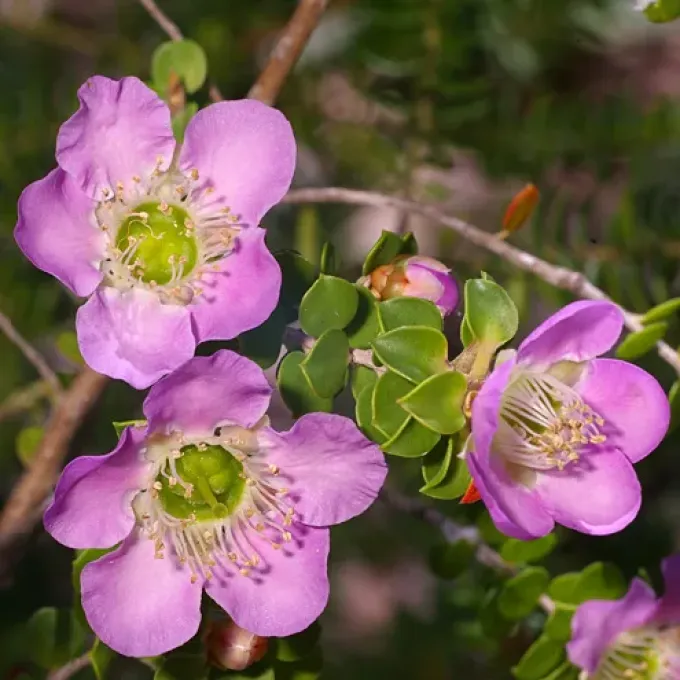
Description
Growing requirements
Pericalymma crassipes is a member of the Myrtaceae family, native to the sandy, nutrient-poor landscapes of Western Australia. As a perennial evergreen shrub, it possesses specialized morphological adaptations to thrive in harsh, Mediterranean-like environments.
Cultivation of this species requires well-drained, acidic soil. The root system is highly sensitive to waterlogging, necessitating the implementation of coarse-textured substrate or elevated beds to prevent the development of anaerobic conditions.
The plant thrives in full sun but requires protection from extreme heat in the afternoon. In agricultural settings, maintaining a balance between sufficient light exposure and root temperature control via mulching is essential for robust growth.
Climate requirements include mild winters and warm, dry summers. Pericalymma crassipes is not cold-hardy, meaning it is restricted to frost-free zones, making it an excellent candidate for specific subtropical horticultural practices.
Management involves precise irrigation schedules. Nutrient supplementation should be carefully balanced; specifically, low-phosphorus fertilizers are recommended to match the physiological adaptations of this Australian native to nutrient-deficient soils.
Main diseases and pests
The primary agronomic threat to Pericalymma crassipes is Phytophthora root rot, which occurs when soil drainage is insufficient. Strict adherence to irrigation management and the use of sterile growing media are critical preventative measures.
Typical pests affecting this crop include scale insects and spider mites. These pests thrive in dry, stagnant air, emphasizing the importance of maintaining good ventilation within the canopy to prevent significant infestation levels.