
Myrteola
Myrteola
Myrteola is a genus of evergreen shrubs belonging to the Myrtaceae family. The most prominent species, Myrteola nummularia, is native to the cool, moist regions of South America, typically found in mountainous areas.
What the section contains

Myrteola
The plant thrives in cool temperatures and requires high atmospheric humidity to maintain its health. It is not adapted to dry climates or scorching heat, which makes it challenging for indoor or greenhouse cultivation.
For optimal growth, Myrteola needs a well-draining, acidic substrate rich in organic matter. Proper aeration of the roots is crucial, as the plant is highly susceptible to root decay if water stagnation occurs.
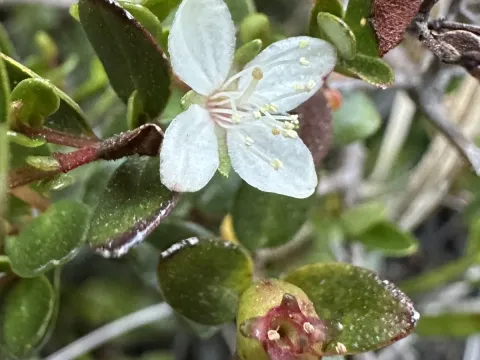
Botanically, it features creeping stems and small, leathery leaves that are perfectly adapted to the wind-swept environment of its native habitats. Small white flowers usually appear in the growing season, later developing into edible berries.
In modern usage, Myrteola is primarily appreciated as a specialized collection plant rather than a widespread agricultural crop. Its berries are consumed locally, though it remains a niche plant in international horticulture.
The primary threats to Myrteola include fungal infections of the root system, which are almost always caused by improper drainage or excessive irrigation. Once the root system is compromised, recovery is difficult.
Pests such as spider mites and mealybugs represent the main biological threat to the foliage. These pests thrive in indoor conditions if the air is too dry, quickly sapping the plant's vitality.
Effective management involves maintaining good air circulation and strictly controlling the moisture levels of the potting soil. Regular inspection of the underside of the leaves is advised to spot early infestations.
When chemical treatment is necessary, it must be applied with caution, as Myrteola can be sensitive to strong pesticides. Biological controls are generally preferred to maintain the health of the plant.
Maintaining a clean growing environment by removing dead leaves and debris helps prevent the spread of fungal spores. Consistently healthy plants are much more resistant to pest attacks and diseases.