
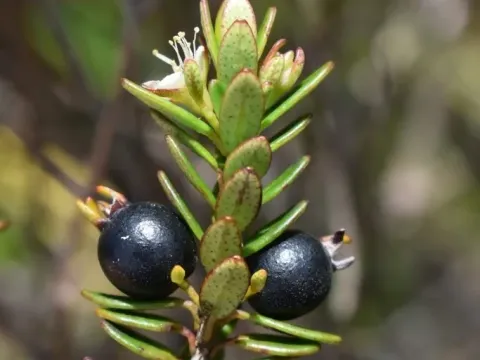
Myrtastrum
Myrtastrum
Myrtastrum is a genus of evergreen plants classified within the Myrtaceae family. These plants are characterized by their aromatic leaves and structure, which are typical for members of the myrtle group, making them botanically interesting for tropical botany studies.
What the section contains
Myrtastrum
The native distribution of Myrtastrum is found within the tropical regions of South America. They thrive in environments that feature high humidity and consistent rainfall throughout the year, usually occurring in forested areas where they adapt to low-light understory conditions.
Agronomic requirements for Myrtastrum involve maintaining fertile, well-draining soil with a slightly acidic pH. The addition of organic matter is essential for mimicking their natural habitat and ensuring the robust development of their shallow root systems.
Climatic preferences include stable temperatures between 20°C and 28°C. Being sensitive to cold, the plant requires frost-free conditions year-round, making it a suitable candidate for greenhouse cultivation in temperate regions or outdoor gardening in tropical zones.
Regarding its use, Myrtastrum is primarily cultivated for ornamental purposes. Its aesthetic appeal, combined with the pleasant scent of its foliage, makes it a valuable species for botanical gardens and specialized landscaping projects that focus on exotic flora.
Pathogenic threats for Myrtastrum primarily include fungal infections resulting from waterlogging. Root rot is a significant concern that can quickly deteriorate the plant's vascular system, often caused by heavy soils that do not allow for adequate gas exchange.
Pest pressure is frequently attributed to sucking insects such as scale insects and mealybugs. These pests colonize stems and leaf undersides, extracting sap and causing yellowing, which significantly decreases the photosynthetic potential of the plant.
Spider mites pose a persistent threat, especially in indoor environments with low relative humidity. Their presence is indicated by fine webbing and stippling on leaves, which, if untreated, leads to leaf senescence and severe defoliation of the crown.
Integrated Pest Management (IPM) strategies are highly recommended for this crop. This involves regular monitoring of the foliage and implementing preventive measures such as ensuring proper spacing between plants to maximize air circulation and reduce humidity pockets.
Treatment of identified infestations should involve targeted systemic insecticides or horticultural oils. When dealing with fungal pathogens, it is critical to remove infected tissue and apply fungicides to stabilize the plant's health and prevent systemic spread within the collection.