
Osbornia octodonta
Osbornia octodonta
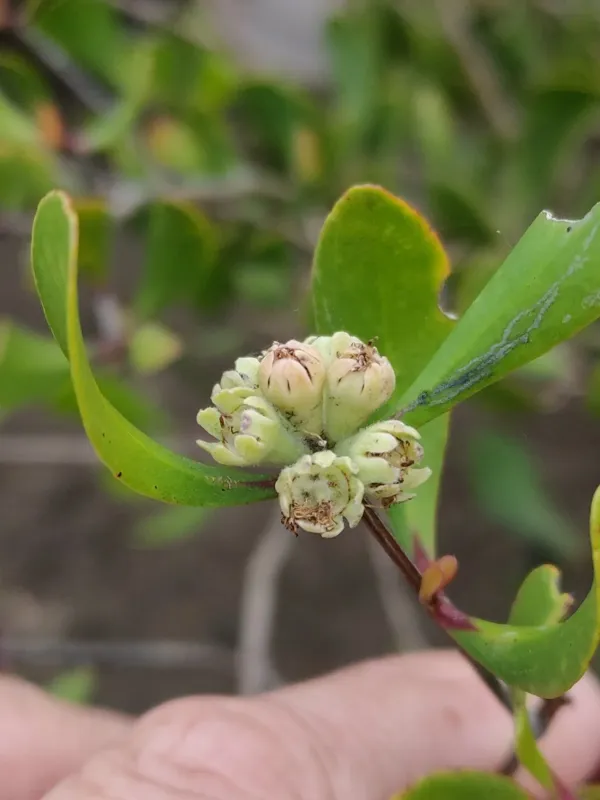
Description
Growing requirements
Osbornia octodonta is a fascinating member of the Myrtaceae family, commonly found in the intertidal zones of Australia and parts of Southeast Asia. This evergreen shrub is perfectly adapted to saline habitats, serving as a primary component of coastal mangrove forests.
The plant typically grows in muddy substrates that are regularly inundated by sea water. Its biological structure allows it to effectively filter salt and survive in anaerobic soil conditions that would be lethal to most other woody plant species.
Botanically, Osbornia is characterized by its leathery, oil-gland-dotted leaves and distinct flowers with eight sepals. This morphological adaptation helps the plant regulate transpiration and manage osmotic stress in hot, salty environments.
Climate requirements include tropical temperatures throughout the year. The species relies on high humidity and the nutrient-rich sediment deposited by tides to maintain its growth and health, making it exclusively suitable for tropical coastal regions.
Economically, the wood of this plant is valued for its exceptional density and resistance to decay, especially in marine environments. Beyond its utility, Osbornia is vital for preventing coastal erosion and providing habitat for diverse marine and terrestrial fauna.
Main diseases and pests
The primary threat to Osbornia octodonta populations is the rapid destruction of mangrove habitats for coastal development. Altering the natural flow of tidal waters destroys the fragile balance required for the roots to breathe and absorb nutrients.
Pollution from oil spills and industrial runoff poses a significant risk to the plant's health. Chemicals can clog the specialized root systems and pores, leading to systematic failure and eventual death of the affected trees.
Pests such as certain wood-boring crustaceans and insects can damage the stems and roots, creating entry points for secondary fungal infections. These pathogens thrive in stagnant water conditions where natural tidal flushing has been obstructed.
Increased sea levels pose an existential challenge, as prolonged submergence can exceed the plant's physiological capacity to tolerate complete root inundation. This leads to weakened immunity and stunted growth within the mangrove stands.
Management strategies for this species focus primarily on habitat conservation. Effective monitoring of salinity levels and tidal cycles is essential for maintaining healthy populations in areas prone to anthropogenic disruption.