
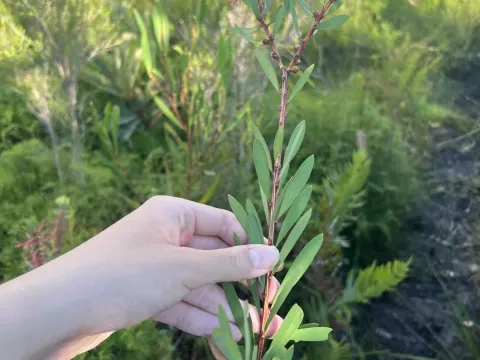
Melaleuca pachyphylla
Melaleuca pachyphylla
The propagation of Melaleuca pachyphylla is primarily achieved through seeds or stem cuttings. Because the seeds are exceptionally small, they must be sown onto the surface of a fine, well-draining substrate without being covered, to ensure they receive sufficient light for germination.
What the section contains
Melaleuca pachyphylla
A consistent temperature range of 20°C to 25°C is essential for successful germination. It is crucial to maintain high humidity around the seeds using a plastic cover or a greenhouse environment, while ensuring the growing medium stays moist but never waterlogged.
Cuttings should be taken from semi-hardwood stems during the active growing season. These cuttings respond well to rooting hormones and should be placed in a sterile, perlite-based mix to prevent rot and encourage healthy root development.
Young seedlings require a gradual transition to independent growth after the first pair of true leaves emerges. Carefully transplanting them into individual pots helps to prevent overcrowding and allows for better nutrient management.
The overall process requires careful monitoring of light levels and moisture, as young plants are particularly susceptible to damping-off if the airflow is poor or the substrate remains too saturated for too long.
Melaleuca pachyphylla belongs to the Myrtaceae family and thrives in conditions that mimic its native tropical habitat. It demands full sun exposure to produce vibrant foliage and the characteristic flowers, making it ideal for sunny gardens or bright greenhouses.
The plant prefers acidic to neutral soils that are sandy or loamy. Good drainage is the most critical factor for its success, as the roots are sensitive to anaerobic conditions caused by standing water in the root zone.
Temperature management is vital, as the plant is not frost-tolerant. It requires protection during colder months and should be kept in a climate-controlled area where temperatures do not drop below the freezing point.
Watering should be regular, matching the plant's growth cycle. During the hot summer months, increased evaporation requires more frequent hydration, but one must always ensure the water drains away completely from the pot or soil bed.
Fertilization should be kept light, especially using products designed for acid-loving or native Australian plants, as an excess of phosphorus can be toxic to many members of the Myrtaceae family.
The economic yield of Melaleuca pachyphylla is tied to its biomass and essential oil production. Regular pruning is a recommended agricultural practice, which promotes bushier growth and provides a harvestable surplus of foliage throughout the growing season.
In ornamental horticulture, the "yield" is measured by the plant's visual quality, including the density of its foliage and the abundance of its unique, thick-leaved flowering spikes. Professional growers often use growth regulators to maintain specific plant shapes.
While not a traditional food crop, the cultivation of this species for botanical extracts is becoming more relevant. The oil profile of the species can vary based on light intensity, soil fertility, and the age of the harvested branches.
Indoor yield is constrained by light availability; thus, high-intensity artificial lighting is necessary for those growing it outside its native range. This ensures that the essential oil glands remain active and productive.
Maintaining a high stocking density in controlled environments can maximize the total biomass per square meter, provided that irrigation and pest control protocols are strictly adhered to.
The primary threat to Melaleuca pachyphylla is root rot caused by various fungi such as Phytophthora. This typically occurs in poorly drained soils and is characterized by a rapid decline in foliage vigor and eventual plant death.
Insect pests, particularly spider mites and scale insects, frequently target the plant in warm, dry environments. These pests feed on sap and can significantly reduce the overall health and ornamental value of the specimen if left untreated.
Mealybugs can also infest the plant, hiding in the leaf axils and stems. They are particularly difficult to manage once established, often requiring systemic insecticides or manual removal to gain control over the population.
Nutrient deficiencies, specifically iron chlorosis, occur if the soil pH is too high, preventing the plant from absorbing necessary micronutrients. This results in yellowing leaves with green veins, which can be corrected by adjusting the soil pH.
Integrated pest management, including regular foliage washing and maintaining proper spacing, significantly reduces the pressure from common pests and prevents the spread of fungal diseases in dense plantations.