
Melaleuca paludicola
Melaleuca paludicola
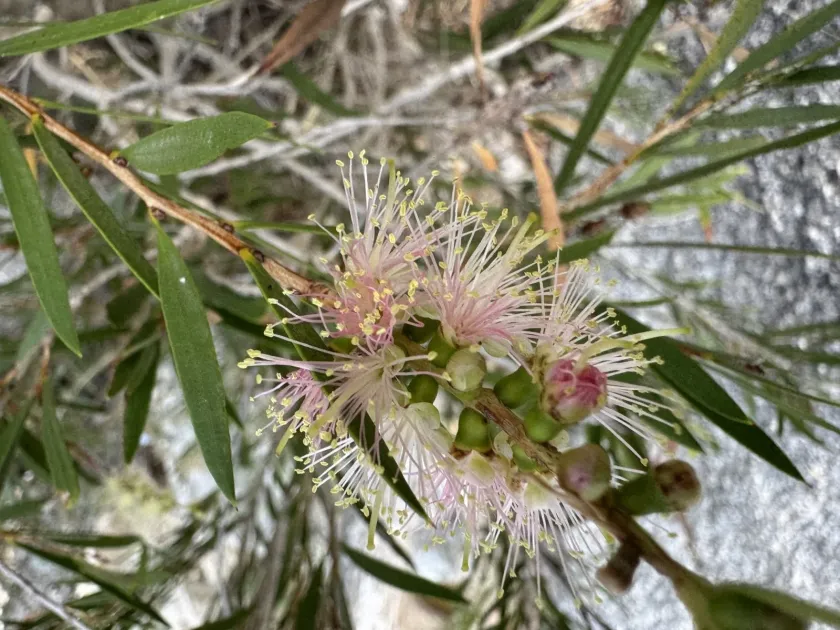
Description
Sowing dates
The propagation of Melaleuca paludicola is primarily achieved through seeds sown in a warm, humid environment. Seeds require light to germinate, meaning they should be sown on the surface of a fine, moist potting mix without heavy covering.
Successful germination relies on maintaining a high humidity level using misting or greenhouse covers. The optimal temperature range for seedling emergence is between 20°C and 25°C, ensuring a stable environment for initial development.
Vegetative propagation via stem cuttings is also a common practice in commercial nurseries. Cuttings should be taken from semi-hardwood growth and treated with rooting hormones to enhance establishment rates.
Once seedlings or cuttings have developed a robust root system, they are hardened off before being transferred to their permanent growing sites. This transition is critical to prevent transplant shock.
Spacing between plants should be determined by the intended use, such as riparian zone stabilization or ornamental landscaping, typically ranging from 1 to 2 meters for optimal growth.
Growing requirements
Melaleuca paludicola is a member of the Myrtaceae family, well-adapted to swampy environments and water-logged soils. This species plays a vital role in maintaining the structure of wetland ecosystems due to its deep and resilient root system.
Climate requirements for this species include consistent subtropical or tropical warmth. While it can withstand occasional dips in temperature, it is not frost-tolerant and requires sheltered conditions in cooler climates.
The soil profile for this crop should preferably be acidic or neutral. It thrives in high-moisture sites where other woody plants might fail due to root asphyxiation, making it an excellent candidate for land reclamation in marshy areas.
Sunlight is a critical factor for the production of aromatic oils within the leaves. Full sun exposure ensures maximum photosynthesis and vegetative growth, leading to healthier plants and more intense oil concentrations.
Proper water management is essential; although the species is water-loving, stagnant water that lacks oxygen can occasionally lead to root stress. A well-drained but consistently moist substrate is ideal.
Main diseases and pests
Common pests affecting Melaleuca paludicola include aphids and scale insects, which can drain sap and weaken the plant. Regular inspection of leaf undersides is recommended for early detection.
Fungal pathogens can arise during periods of extreme humidity and low airflow. Symptoms include leaf spot and stem cankers, which require immediate pruning of affected areas and the application of fungicides.
Root rot caused by water molds (Oomycetes) is a potential risk if the soil remains excessively stagnant for long periods, especially in container-grown plants.
Biosecurity measures, such as sterilizing pruning tools and maintaining distance between plants, are effective ways to mitigate the risk of infectious diseases within the plantation.
Environmental stress, particularly sudden extreme cold or excessive drought, can significantly reduce the plant's natural resistance, making it more susceptible to secondary pest attacks.