
Melaleuca minutifolia
Melaleuca minutifolia
Description
Growing requirements
Melaleuca minutifolia belongs to the Myrtaceae family, a group of woody plants well-known for their aromatic properties. This species is native to specific regions of Australia and exhibits typical characteristics of evergreen flora adapted to warm, stable climates.
The plant requires full sun exposure and well-draining soils to thrive. It performs best in sandy or loamy soils with slightly acidic to neutral pH levels. Waterlogging is a significant stress factor for this species, as it can easily lead to root rot and stunted growth.
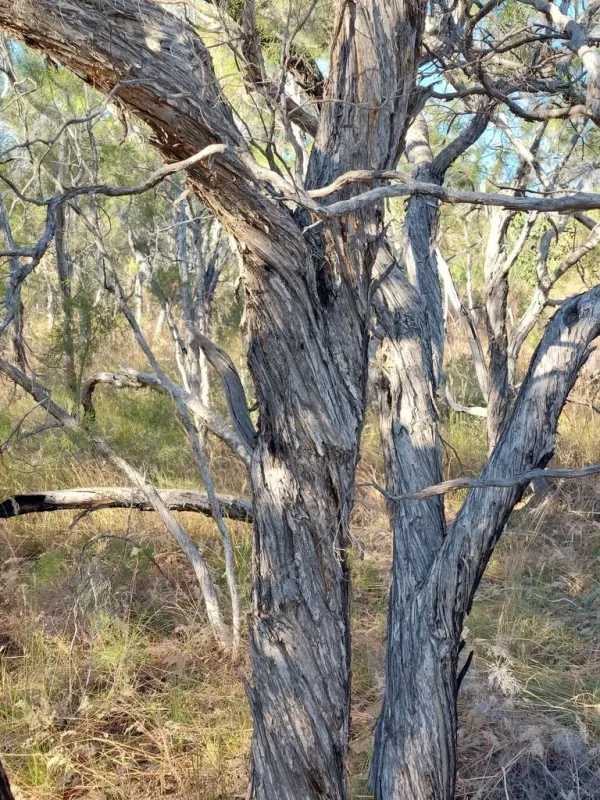
Botanically, this shrub is characterized by its small, closely-packed leaves and distinctive, often showy inflorescences. The bark is typically fibrous or papery, serving as a protective layer against environmental stress factors like heat and mechanical damage.
Climatic requirements are strict; Melaleuca minutifolia is not cold-hardy. It thrives in tropical and subtropical zones where temperatures remain consistently above freezing throughout the year, allowing for continuous metabolic activity and biomass accumulation.
In terms of agricultural utility, the crop is primarily cultivated for its essential oils stored in the foliage. These extracts are widely utilized in pharmaceutical and skincare formulations due to their antiseptic, antibacterial, and anti-inflammatory attributes.
Main diseases and pests
Common plant diseases affecting this species are predominantly fungal in nature, frequently resulting from high humidity and poor soil aeration. Root rot pathogens are particularly dangerous, as they can devastate a plantation if drainage systems are neglected.
Pests such as scale insects and mealybugs represent a frequent challenge for growers. These sap-sucking insects compromise the plant's health and can lead to the growth of sooty mold, which detracts from the quality of the raw material intended for oil extraction.
Effective management involves maintaining optimal plant spacing to promote airflow, which naturally discourages the buildup of fungal spores and pest colonies. Regular canopy management is essential to ensure that the inner parts of the plants receive sufficient light.
Integrated pest management strategies are recommended, focusing on the use of predatory insects and non-synthetic sprays to ensure the resulting oil meets quality and safety standards. Preventing chemical residues is a priority for high-value essential oil production.
Mechanical damage during pruning or harvesting can also expose the plant to infections. Applying protective pastes to large pruning wounds is a standard agricultural practice to minimize the risk of pathogen entry through the vascular tissues.