
Melaleuca polandii
Melaleuca polandii
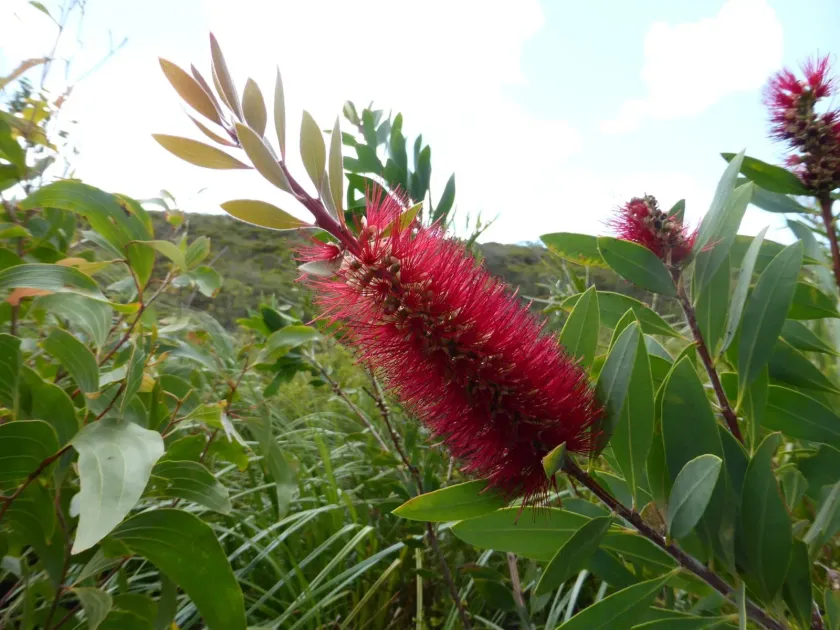
Description
Growing requirements
Melaleuca polandii is an evergreen shrub belonging to the Myrtaceae family, native to the tropical regions of Australia. This species is recognized for its unique, brush-like flowers and dense foliage, making it a valuable addition to various landscapes.
The plant thrives in well-drained soil, as the root system is sensitive to waterlogging. It prefers slightly acidic to neutral soil pH levels. Ensuring a proper drainage layer is crucial for long-term survival in garden or greenhouse conditions.
Climate requirements involve constant warm temperatures, as the species is highly susceptible to frost damage. It requires full sun exposure to maintain its vigorous growth rate and to produce its characteristic vibrant blossoms during the season.
Agrotechnical practices focus on regular watering schedules and the application of balanced fertilizers during the active growing season. Pruning is essential to shape the plant and encourage new, healthy growth that supports flowering.
Economically, Melaleuca polandii is primarily used for ornamental purposes and as a source of essential oils. Its biological properties make it a subject of interest for both the fragrance industry and natural antiseptic research.
Main diseases and pests
Root rot is the most critical threat to this species, usually caused by poor drainage or overwatering. Maintaining soil aeration is the primary preventive measure against fungal pathogens attacking the root zone.
Scale insects and spider mites are common pests that feed on the sap of the leaves. Frequent monitoring is recommended to catch infestations early, followed by the application of appropriate systemic insecticides or oils.
Powdery mildew may develop in humid environments with poor air circulation, damaging the foliage. Increasing the space between plants and ensuring good ventilation significantly reduces the likelihood of an outbreak.
Leaf-eating beetles can cause aesthetic damage by chewing on fresh, tender growth. This stress weakens the plant over time, so integrated pest management is necessary to preserve the plant's structural integrity.
Overall plant health depends on minimizing environmental stress. Adequate lighting and consistent nutrient availability are the best defenses against secondary infections and various biological threats that typically affect the Myrtaceae family.