
Melaleuca nervosa
Melaleuca nervosa
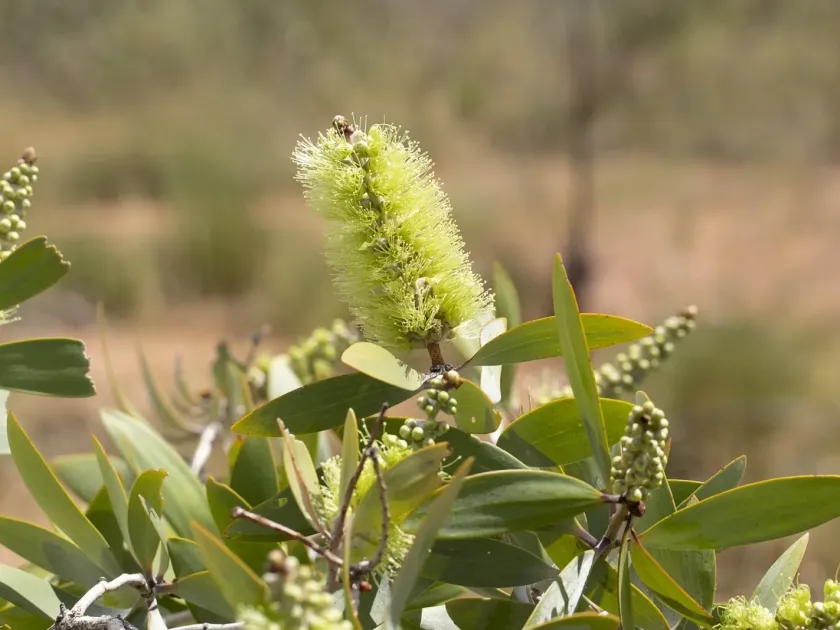
Description
Growing requirements
Melaleuca nervosa, a member of the Myrtaceae family, is native to tropical regions of Northern Australia and New Guinea. This woody perennial is well-adapted to environments characterized by distinct wet and dry seasons.
The plant thrives in full sun exposure, which is essential for maximizing both biomass production and the synthesis of secondary metabolites in the leaves. It is remarkably tolerant to waterlogged conditions, making it an excellent candidate for low-lying soil profiles.
Optimal soil conditions include well-draining loams or sandy substrates. While the plant can tolerate a variety of soil types, maintaining a slightly acidic to neutral pH is preferable for nutrient uptake.
Regarding climate, this species is strictly tropical and requires high temperatures throughout the year. It is frost-sensitive, which restricts open-field cultivation to subtropical and tropical zones.
Good agrotechnical practice involves proper spacing to facilitate air circulation within the canopy, which is crucial for reducing moisture accumulation and preventing the onset of various fungal infections.
Yield
The primary economic value of Melaleuca nervosa lies in its foliage, which is harvested for the extraction of essential oils via steam distillation. The concentration and profile of these oils are influenced by the plant's age and environmental conditions.
The yield of green biomass depends on consistent water availability during the growing phase. Pruning and strategic harvesting cycles are employed to maintain continuous productivity over the life of the plantation.
Beyond oil production, the species serves as a significant honey plant. The high-quality nectar produced during its flowering phase makes it a valuable asset for local apiculture industries.
Timber utilization is considered a secondary benefit, as the wood is known for its durability and resistance to decay, making it suitable for high-quality outdoor construction or woodcraft.
Standardized plantation management ensures a steady output, balancing the extraction of essential oils with the sustainable harvesting of timber-grade wood products.
Main diseases and pests
Fungal pathogens represent the most significant threat to Melaleuca nervosa, particularly during periods of high humidity or poor aeration. Proper canopy management is the most effective preventative measure.
Insect pests, such as scale insects and leaf-chewing beetles, can cause significant damage to young growth. Regular inspections and the implementation of integrated pest management are recommended.
Root rot, driven by stagnant water in poorly drained soils, can lead to widespread plant loss. Ensuring proper soil structure and drainage is critical before establishing a new orchard.
Weed competition during the establishment phase is a critical factor affecting survival rates. Effective mulching or mechanical weed control is necessary to minimize resource competition.
Protecting the bark from mechanical injury is essential to prevent entry points for pathogens, as systemic infections can rapidly degrade the overall health of the tree.