
Melaleuca megalongensis
Melaleuca megalongensis
Description
Growing requirements
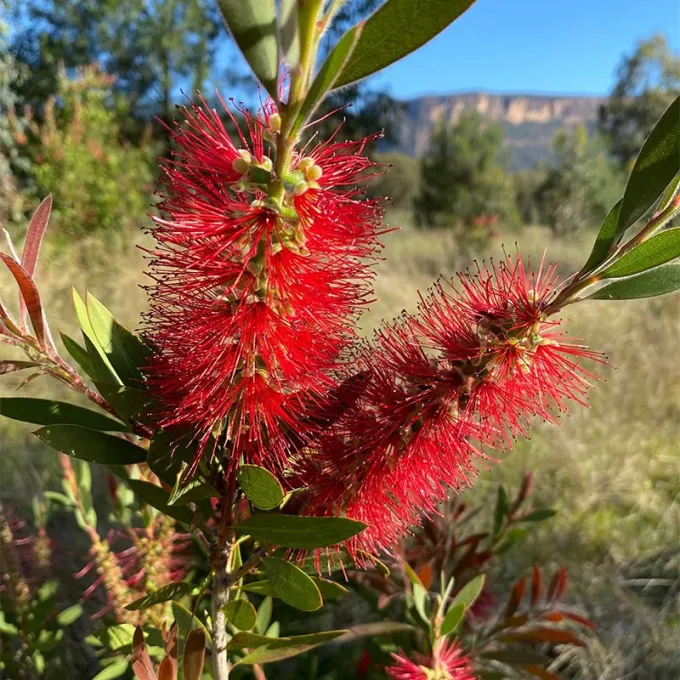
Melaleuca megalongensis is a unique species of shrub belonging to the Myrtaceae family, endemic to a specific region in the Megalong Valley, New South Wales. This plant is valued for its distinct foliage and typical brush-like flowers.
Botanically, it features small, narrow leaves arranged along woody stems, covered by a distinct, sometimes flaky, papery bark. It is a slow-to-moderate grower that integrates well into native Australian garden designs.
For successful cultivation, the plant requires well-draining soil, ideally sandy or loamy in texture. It thrives in positions that provide full sun exposure, which is essential for maintaining compact growth and ensuring abundant flowering.
The climate requirements involve a temperate environment with consistent but not excessive moisture. While it is adapted to its local Australian climate, it requires protection from severe frosts when cultivated in colder international regions.
Agrotechnical management includes regular monitoring of soil moisture levels. It is recommended to use specialized fertilizers suitable for Australian native plants, as they are often sensitive to high levels of phosphorus.
Main diseases and pests
The primary threat to the health of Melaleuca megalongensis is root rot caused by stagnant water. Ensuring an efficient drainage system is the most critical step in preventing fungal development in the root zone.
Pests such as scale insects or spider mites can occasionally affect the plant, particularly in sheltered or poorly ventilated areas. Regular inspection of the foliage is recommended to catch infestations early.
Fungal diseases, including leaf spots, may occur under conditions of high humidity and poor air circulation. Pruning for better air movement within the canopy is a standard preventive measure.
Competition from invasive weeds can severely stunt the growth of young specimens. Maintaining a weed-free zone around the base using mulch is highly recommended to provide the plant with an advantage.
Environmental stress, such as extreme heatwaves combined with drought, can negatively impact the plant's vitality. Supplemental irrigation is necessary during prolonged dry spells to maintain the tree's health.