
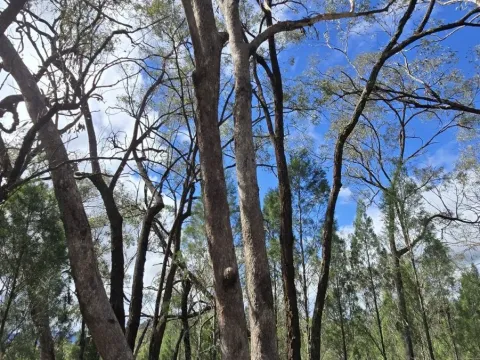
White box
Eucalyptus albens Benth.
The White box (Eucalyptus albens) is an evergreen tree belonging to the Myrtaceae family. Native to the eastern slopes of the Great Dividing Range in Australia, it is well-adapted to temperate climates and can withstand significant seasonal variations.
What the section contains
White box
The species prefers deep, fertile loamy soils but displays remarkable versatility, surviving in a variety of soil types including rocky or shallow substrates. It is known for its drought tolerance, which makes it an ideal candidate for reforestation projects in semi-arid zones.
Proper sunlight exposure is essential for the healthy development of Eucalyptus albens. It requires full sun for optimal growth, especially during the early stages of development, as shaded conditions can significantly stunt its progress.
Botanically, this species is recognized by its glaucous (bluish-grey) foliage and smooth, pale bark that peels in irregular patches. These features provide not only aesthetic value but also physiological advantages in reflecting excessive heat.
In terms of agricultural management, site preparation and initial weed control are critical. Providing adequate space between individuals ensures that each tree has sufficient access to water and nutrients, promoting consistent development across the entire plantation.
White box is highly valued in forestry for its dense, durable, and rot-resistant timber. The wood is widely used for heavy construction, railway sleepers, and fence posts, offering a high-quality material for various industrial applications.
The species is an exceptional source of nectar, making it highly important for apiculture. Eucalyptus honey is recognized for its unique flavor profile and potential therapeutic properties, contributing to the overall economic output of the plantation.
Essential oils can be extracted from the foliage, providing a secondary revenue stream for landowners. The demand for these natural oils in the pharmaceutical and fragrance industries continues to grow, adding value to the cultivation of this species.
Yield efficiency is directly influenced by the planting density and environmental conditions. Well-managed plantations show impressive biomass accumulation, allowing for profitable harvest cycles that meet industrial demands for hardwood timber.
Sustainable harvesting practices ensure that the soil remains productive for subsequent planting cycles. By balancing timber yield with the preservation of natural ecosystem services, growers can maximize the long-term benefits of Eucalyptus albens cultivation.
Leaf-eating insects, including various types of weevils and caterpillars, represent a major biological threat to White box plantations. These pests can cause significant defoliation if left unchecked during the peak growing season.
Fungal pathogens such as leaf spot can infect the trees, particularly in regions with high humidity or stagnant air. Implementing proper pruning and spacing techniques helps to improve ventilation and reduce the incidence of such diseases.
Root rot remains a potential concern, often associated with poor drainage in clay-heavy soils. Ensuring proper water management at the site planning stage is a fundamental requirement for preventing long-term damage to the root system.
Climate-induced stress, such as prolonged heatwaves or unexpected frost, can weaken the trees' natural defenses, making them more susceptible to opportunistic pests and secondary infections that may arise during recovery periods.
Integrated Pest Management (IPM) strategies, which prioritize biological control and regular health monitoring, are recommended for maintaining the productivity of Eucalyptus albens. These proactive approaches help minimize the reliance on chemical treatments.