
Tallowwood
Eucalyptus microcorys F. Muell.
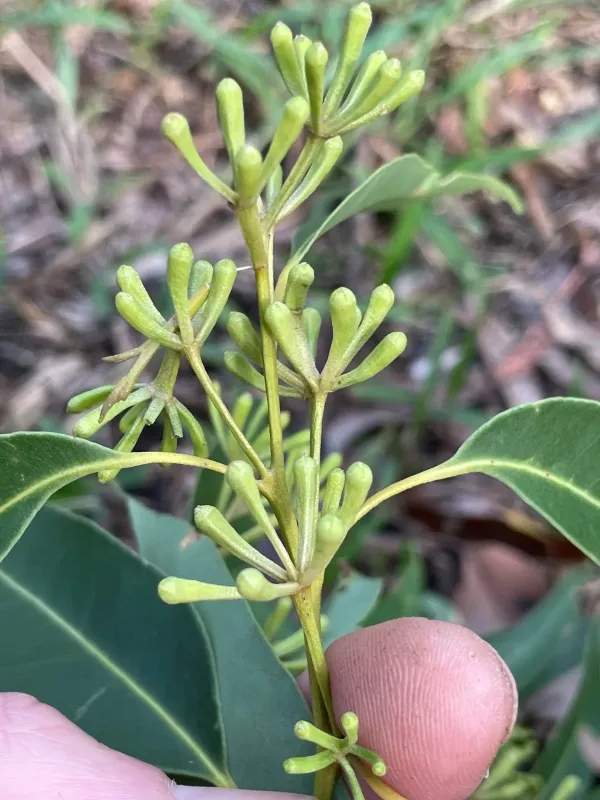
Description
Sowing dates
Propagation of Eucalyptus microcorys is primarily performed through seeds in specialized nurseries. The best time for sowing is early spring when stable temperatures ensure rapid germination.
Seeds should be sown in well-drained, neutral, or slightly acidic substrates. Maintaining consistent moisture and a temperature range of 20–25 degrees Celsius is critical for high germination rates.
Seedlings are container-grown until they reach a height of 30–40 centimeters. Once they have developed a robust root system, they are ready for transplanting into forestry sites.
Planting density in commercial plantations typically ranges from 800 to 1200 trees per hectare. This density minimizes competition for light and nutrients during the early stages of establishment.
Effective weed management is essential during the first two years of the plantation cycle. Keeping the area free of competing vegetation ensures rapid height and diameter growth.
Growing requirements
Eucalyptus microcorys, belonging to the Myrtaceae family, is native to the coastal regions of eastern Australia. It thrives in humid subtropical climates with adequate rainfall.
While adaptable to various soil types, the species prefers deep, fertile loams. Good soil drainage is paramount, as waterlogging is detrimental to the tree's root health.
The trees require full sun exposure for optimal development. Shading in the early stages can lead to poor form and reduced growth rates, negatively affecting wood quality.
Although the species has moderate tolerance to dry spells, irrigation during drought periods significantly boosts commercial timber yields in forest plantations.
The climate must be free from severe frosts, as the species is sensitive to prolonged freezing temperatures. This limits its primary cultivation area to tropical and subtropical regions.
Yield
The species is highly valued for its fast growth rate and the production of premium timber known as Tallowwood. This wood is renowned for its durability and resistance to decay.
The harvesting cycle for timber typically ranges from 30 to 50 years. At maturity, trees can reach heights of 40–50 meters with substantial trunk diameters.
The timber is widely used in bridge building, heavy-duty construction, flooring, and decking. Its high density and straight grain make it one of the most sought-after hardwoods.
Beyond timber, plantations serve as excellent sites for apiculture. Tallowwood is recognized as a superior nectar source, supporting honey production in its native range.
Strategic management of plantations ensures a sustainable supply of high-grade wood, contributing significantly to the regional forestry economy in suitable climates.
Main diseases and pests
Leaf-eating insects, such as leaf beetles, pose the most significant threat to young plantations. Regular monitoring is necessary to prevent widespread defoliation and growth stunting.
Root rot caused by fungal pathogens often occurs in poorly drained soils. Improving soil aeration through proper site selection is the best preventative measure against these diseases.
Sucking insects, including aphids and scales, may infest young shoots. Integrated pest management strategies, focusing on biological controls, are preferred in large-scale forestry operations.
Physical damage caused by browsing wildlife can lead to open wounds, increasing the risk of wood decay and fungal entry. Protective fencing is standard for young stands.
Maintaining tree vigor through appropriate site management and soil nutrition enhances the tree's natural resilience against various pests and opportunistic pathogens.