
Cheken
Myrtus cheken
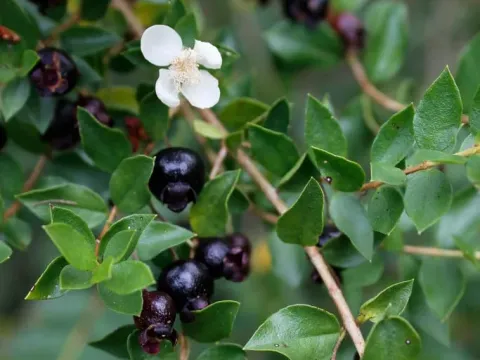
Myrtus cheken, known as cheken, is an evergreen shrub belonging to the Myrtaceae family, native to the temperate regions of Chile. It is highly valued for its aromatic foliage, which contains essential oils used extensively in traditional herbal medicine.
What the section contains
Cheken
The plant thrives in Mediterranean-type climates, requiring moderate temperatures and protection from harsh, drying winds. It is best adapted to regions where the frost risk is minimal, as extreme cold can damage the younger parts of the shrub.
Successful cultivation depends heavily on soil quality; the plant requires well-draining, slightly acidic to neutral soil rich in organic matter. Waterlogged conditions are detrimental to the roots and must be avoided through effective drainage systems.
Agricultural practices for cheken include regular, consistent watering during the growing season and periodic fertilization to promote healthy leaf development. The shrub responds well to pruning, which can be used to manage its size and improve crown density.
Beyond its medicinal applications, cheken is utilized in landscaping for its dark green, glossy leaves and attractive white flowers. It is an excellent choice for gardens that require year-round foliage and a pleasant, herbal scent.
Spider mites are the most common pests affecting Myrtus cheken, especially in indoor or greenhouse settings with low humidity levels. Regular misting and proper ventilation are essential preventative measures against these mites.
Scale insects can also pose a significant threat, attaching themselves to stems and the undersides of leaves. Early detection and treatment with horticultural soaps or systemic insecticides are recommended to prevent infestations from spreading.
Fungal infections, such as root rot, often occur if the soil remains excessively wet for long periods. Ensuring a porous soil structure and avoiding over-irrigation are critical for maintaining healthy root systems.
Powdery mildew can affect the foliage if there is poor air circulation. Thinning out the branches periodically allows for better airflow, which helps keep the plant dry and reduces the likelihood of fungal outbreaks.
Nutritional deficiencies, manifesting as leaf yellowing, are typically addressed by adjusting the pH level of the soil and ensuring an adequate supply of micronutrients like iron, especially when growing in containers.