
Tuart
Eucalyptus gomphocephala DC.
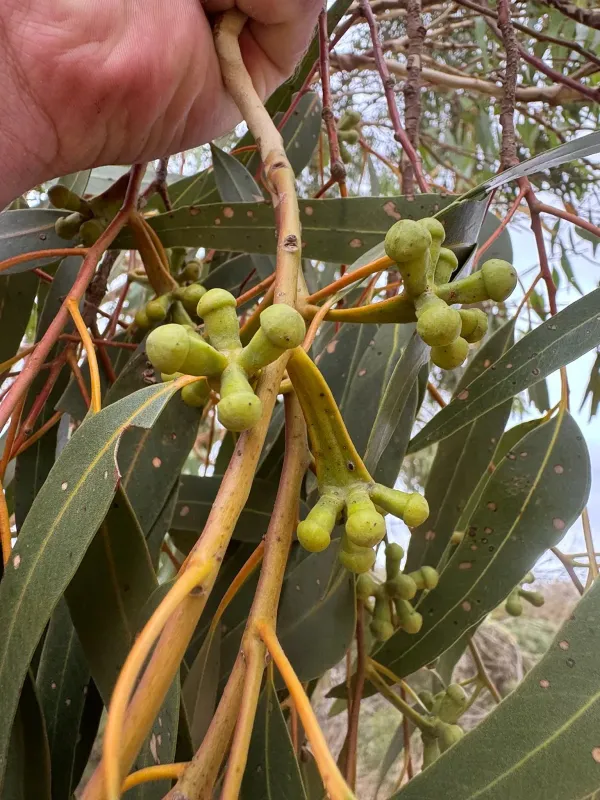
Description
Sowing dates
The Tuart tree is typically propagated from seeds within controlled nursery environments to ensure a high success rate before field transplantation.
Sowing should take place in early spring, utilizing well-draining potting mixes that mimic the natural alkaline and sandy soil conditions preferred by the species.
Germination requires consistent moisture and protection from extreme temperature fluctuations, which are critical factors for successful seedling development.
Once seedlings achieve a robust stature, they undergo a hardening-off phase to prepare them for the environmental rigors of open-field forestry conditions.
Field planting is usually timed to coincide with the onset of the rainy season to provide the young trees with sufficient soil moisture to establish their root systems.
Growing requirements
Belonging to the Myrtaceae family, the Tuart is exceptionally well-adapted to coastal limestone soils, demonstrating a high tolerance for alkaline substrates.
This species thrives in a Mediterranean-type climate characterized by mild, wet winters and dry, warm summers, showing resilience to seasonal droughts.
Optimal growth requires full sun exposure and deep, permeable soil profiles that allow for the deep penetration of the tree's extensive root network.
Although hardy, young trees require protection from strong winds and competitive invasive vegetation to reach their full potential during the initial growth stages.
Soil nutrient management, while not always intensive, benefits from balanced fertilization in the early years to promote vigorous trunk and branch development.
Yield
The timber of the Tuart is renowned for its exceptional strength, hardness, and durability, making it highly valued for heavy construction and flooring.
Historically, the wood was widely used for railway sleepers, bridges, and ship building due to its natural resistance to environmental decay and pests.
The species also contributes significantly to honey production, as its nectar provides a valuable resource for local apiaries, producing high-quality honey.
Forestry management aims for a sustained harvest cycle, where trees are allowed to reach maturity to ensure the highest quality of structural hardwood.
Yield metrics for commercial plantations are calculated based on volume and biomass accumulation, which can span several decades of sustainable forest management.
Main diseases and pests
Common pests include various leaf-eating beetles and psyllids that can cause significant foliage damage, potentially slowing growth rates in young stands.
Termites can pose a localized threat to the health of the tree, particularly affecting the trunk base and root system in warmer, arid geographical zones.
Pathogenic fungi responsible for leaf spotting or root rot are primarily problematic in nurseries or areas with poor water drainage and stagnant air flow.
Ecosystem health is maintained through regular monitoring, which helps to identify and mitigate outbreaks of pests or diseases before they become widespread.
Maintaining biological diversity within and around the plantation is a recommended strategy to reduce the impact of species-specific pests and diseases.