
Tingiringi gum
Eucalyptus glaucescens Maiden & Blakely
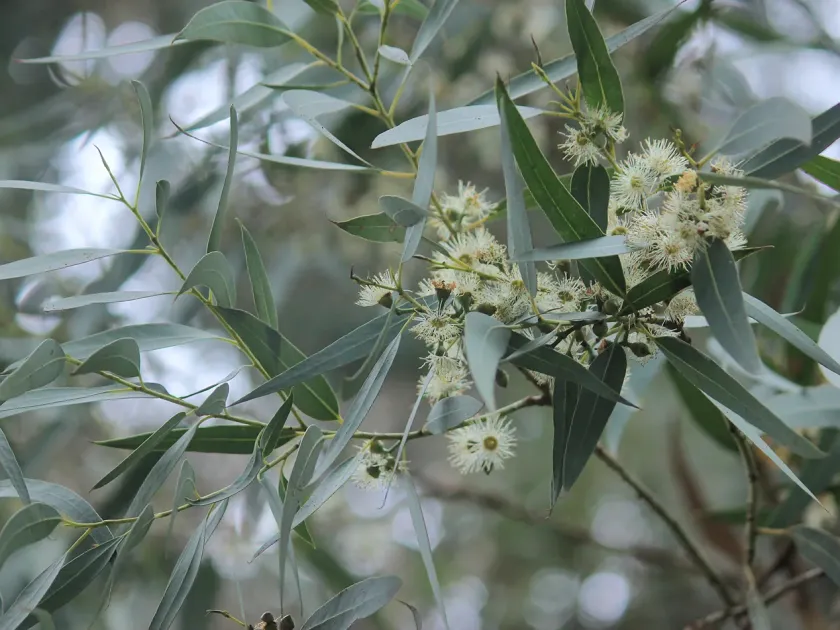
Description
Growing requirements
Eucalyptus glaucescens, commonly known as the Tingiringi gum, is an evergreen tree belonging to the Myrtaceae family. Native to the mountainous regions of south-eastern Australia, it is highly valued for its cold tolerance and distinctive bluish-green foliage.
The plant requires well-drained, fertile soils to reach its full growth potential. It thrives in loamy substrates with adequate moisture but performs poorly in waterlogged soils where root aeration is restricted.
Climate adaptation is a key feature of this species. It prefers cool, temperate climates and is one of the more frost-hardy eucalyptus varieties, capable of withstanding temperatures down to approximately -12°C when fully established.
In terms of agricultural and commercial use, this species is cultivated for its high-quality biomass, pulpwood, and timber. Furthermore, the aromatic leaves are processed to extract essential oils used in various industrial and medicinal applications.
The cultural practice involves providing full sunlight exposure to ensure robust growth. Wind protection for young trees is highly recommended to prevent stem damage and promote straight vertical development.
Main diseases and pests
Root rot is the most significant threat to Eucalyptus glaucescens, usually triggered by poor drainage. Ensuring that the planting site has good soil permeability is essential for plant health.
Leaf-eating insects, including beetles and certain larvae, can impact foliage quality. Integrated pest management strategies, such as introducing natural predators, are preferred over broad-spectrum chemical applications.
Fungal leaf spots may occur in environments with high humidity and limited airflow. Maintaining proper spacing between trees during plantation establishment helps to improve air circulation and reduce disease outbreaks.
Spider mites represent a potential issue during extended dry spells. Monitoring the underside of leaves for early signs of infestation is a standard procedure in active tree nursery management.
Overall, maintaining tree vigor through balanced fertilization and proper irrigation prevents the majority of common stress-related conditions, ensuring the long-term productivity of the eucalyptus stand.