
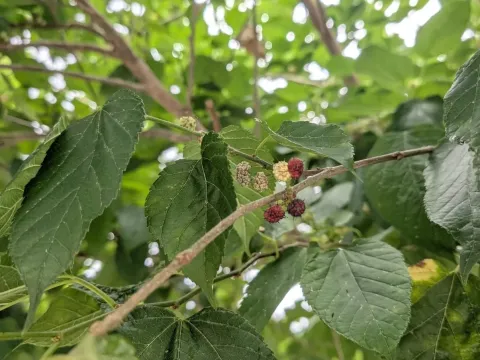
Indian mulberry
Morus indica
Propagation of Morus indica is primarily achieved through vegetative methods, with spring planting being the most effective before the buds begin to swell.
What the section contains
Indian mulberry
Seeds can be used for propagation, but they require a cold stratification period to break dormancy before being sown in nursery beds or prepared fields.
When establishing a plantation, the recommended spacing ranges from 3x5 to 4x6 meters to ensure optimal air circulation and access to sunlight for every individual tree.
Proper soil preparation, including deep plowing and the addition of organic compost, is crucial for the successful establishment of the root system.
Watering during the first few growing seasons is essential to ensure that young saplings develop a robust enough root system to survive future climate variations.
The Indian mulberry is a sun-loving plant that requires full sunlight exposure for at least six to eight hours a day to maximize its biomass production.
The species thrives in deep, well-draining loamy soils with a neutral or slightly acidic pH, though it can tolerate a variety of soil types if drainage is adequate.
While the tree is relatively adaptable, it prefers a temperate climate and requires protection in regions prone to severe frost to prevent damage to the main trunk.
Excessive soil moisture is detrimental, as it encourages fungal growth and root rot, therefore site selection must prioritize areas with a low water table.
Optimal growth occurs within a temperature range of 20 to 30 degrees Celsius, supported by moderate rainfall evenly distributed throughout the growing season.
The primary economic value of the Indian mulberry lies in its leaves, which are the fundamental food source for the domestic silkworm (Bombyx mori).
Yields are maximized through a rigorous pruning schedule, which encourages the development of new, succulent shoots and increases the total leaf area.
Though less commercially significant than the leaves, the fruits are highly nutritious and can be harvested for fresh consumption or processed into jams and juices.
Fertilization with nitrogen-rich compounds is a standard practice to boost the nutritional quality of the foliage, making it more suitable for high-quality silk production.
Systematic plantation management, including weeding and soil aeration, ensures that the trees maintain high productivity levels over many years.
Bacterial blight is a major concern, causing lesions on the leaves and shoots that can spread rapidly throughout the plantation if not managed promptly.
Powdery mildew often appears under humid conditions, necessitating the use of appropriate fungicides and proper canopy thinning to improve airflow.
Pests such as the spider mite are particularly troublesome as they damage the foliage, rendering it unsuitable for feeding silkworms and reducing harvest quantity.
Leaf-eating insects like caterpillars and beetles can cause significant defoliation, requiring integrated pest management strategies to maintain plantation health.
Regular monitoring of the trees is essential for the early detection of these threats, allowing for targeted intervention before the harvest is compromised.
Leaf harvesting is performed in a series of passes throughout the growing season, carefully selecting leaves of the appropriate age for the current instar of silkworms.
Harvesting tools must be sharp and sanitized to prevent the transmission of diseases between trees while ensuring that the bark is not unnecessarily damaged.
Once harvested, the foliage is stored in cool, ventilated conditions to keep it fresh and prevent the enzymatic breakdown that reduces its nutritional value.
Fruit harvesting is carried out when the berries reach peak ripeness, usually involving manual picking due to their delicate nature and high susceptibility to bruising.
Post-harvest care involves clearing the orchard of fallen leaves and debris to eliminate potential habitats for overwintering pests and disease spores.